Buy bbio-project.eu ?
We are moving the project
bbio-project.eu .
Are you interested in purchasing the domain
bbio-project.eu ?
domain@kv-gmbh.de · 0541-91531010
Buy bbio-project.eu ?
Can you also grow from lactose-free milk?
Yes, you can still grow from lactose-free milk because it contains all the essential nutrients found in regular milk, such as protein, calcium, and vitamin D. Lactose-free milk is simply regular milk that has been treated with the enzyme lactase to break down the lactose, making it easier to digest for those who are lactose intolerant. Therefore, it can still support growth and development just like regular milk. **
Does my baby also grow and develop through free play?
Yes, free play is an important part of a baby's growth and development. Through free play, babies have the opportunity to explore their environment, develop their motor skills, and engage in imaginative and creative activities. It also helps them learn about cause and effect, problem-solving, and social interaction. Free play allows babies to follow their own interests and curiosity, which can lead to important cognitive and emotional development. **
Similar search terms for Tula-Free-to-Grow
Top-Angebote
Products related to Tula-Free-to-Grow:
-
BBC Books RHS How to Garden 3 Book Set – Perennial Plants, Grow Food for Free & Gardening Guide CollectionHow to Garden Perennial Garden Plants, RHS How To Garden (HB), Grow Food for Free (HB) 3 Books Collection Set Alan Titchmarsh How to Garden: Perennial Garden Plants Herbaceous perennials flower each year, dying down in the winter and springing back to life the following spring. They are central features in the landscape of a garden as they appear year-after-year and must be regarded as constant features. This book gives the expert view on the vast array of flowers available. Includes: creative garden ideas and border planting plans practical advice on care, maintenance and propagation illustrated A-Z profiles of recommended plants recommended plants for specific purposes, conditions and effects step-by-step illustrations showing essential techniques Alan Titchmarsh imparts a lifetime of expertise in these definitive guides for beginners and experienced gardeners. Step-by-step illustrations and easy-to-follow instructions guide you through the basic gardening skills and on to the advanced techniques, providing everything you need to create beautiful flower borders in your garden. RHS How To Garden When You're New To Gardening: The Basics For Absolute Beginners (Hardback) If the desire to start a garden has been planted in your heart, then this essential guide is a wonderful companion to accompany you on your new adventure! If you're not sure of the first steps to take, this handbook takes the anxiety out of plotting and planting and equips you with all the know-how and confidence you need to get digging into your garden. Creating a garden that you can enjoy and keep looking beautiful all year round is easier than you think!With the expertise of the Royal Horticultural Society, you'll find simple step-by-step instructions, with clear images to help you create your dream garden, no matter the size and scale. Get to know your garden and choose plants that will grow well in particular soil types and conditions year after year. From growing root crop to cutting back ivy, this book gives you lots of simple garden ideas and projects that you can do yourself. Even if you've never sowed a seed or pulled a weed, RHS How to Garden When You're New To Gardening contains everything you need to kickstart your new outdoor hobby! This refreshingly accessible book is perfect for the novice gardener who wants to make the most of whatever garden they have. Your Guide to Creating the Garden of Your Dreams Do you want to create a garden you can show off with pride? Would you like to grow your own food? This book will get you started quickly! By following the simple steps and projects outlined in this book, you will reap instant rewards and long-term successes so that you can enjoy your garden in all seasons. Inside the pages of this comprehensive gardening book, you'll discover: - Clear definitions and descriptions of the different types of plants. - Tips on choosing the type of garden you want. - Easy-to-follow instructions for choosing the right plants for your soil....14,99 £*Shipping: 2,99 £Secure redirect to the provider
-
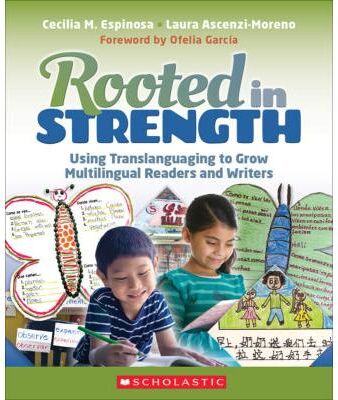
Scholastic Professional Rooted in Strength: Using Translanguaging to Grow Multilingual Readers and WritersAdditionally, the authors present rich and thoughtful literacy practices that propel emergent bilinguals into reading and writing success. The core of this approach is honoring and leveraging the language and cultural resources emergent bilinguals...36,99 $*Shipping: 0,00 $Secure redirect to the provider
-
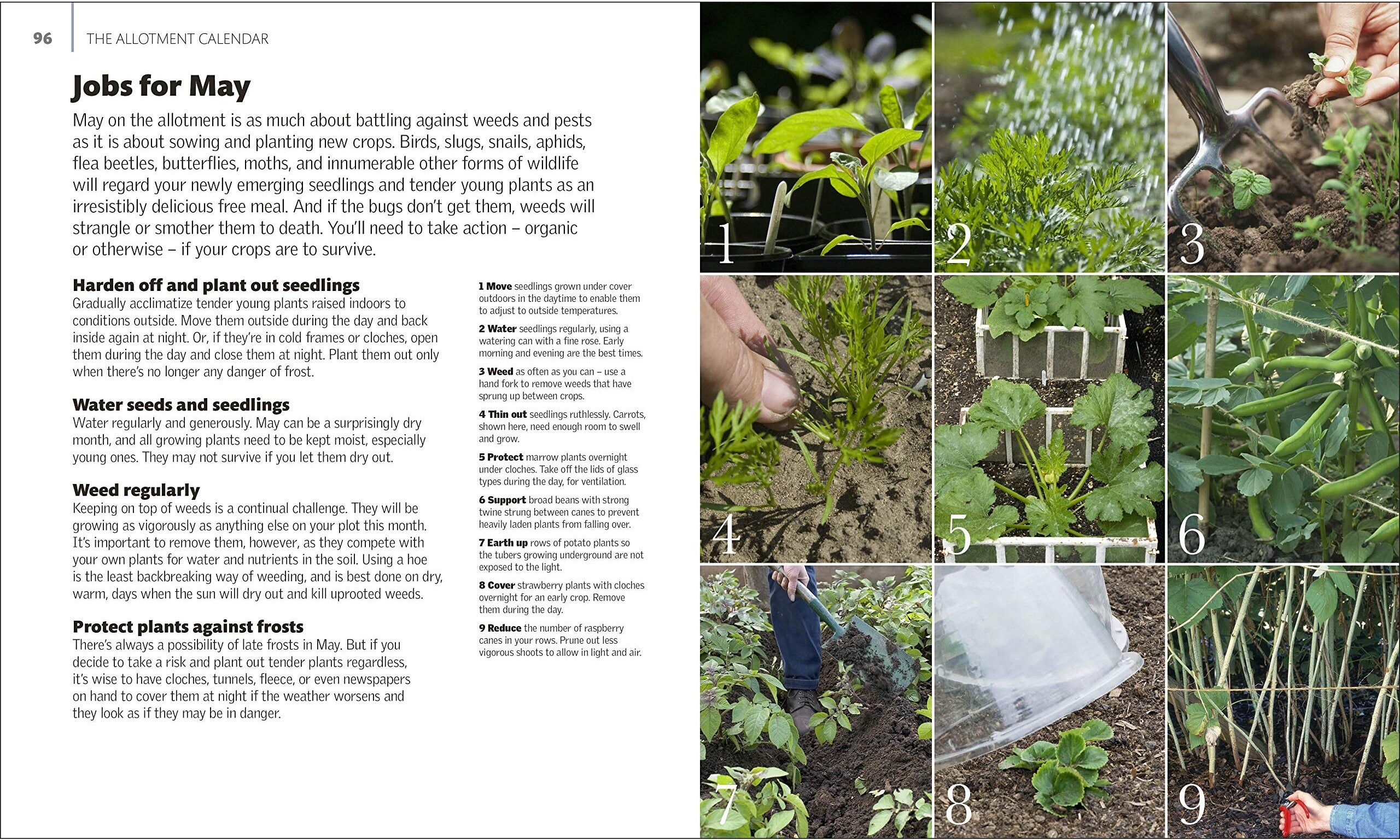
DK Allotment Month By Month - Grow Your Own Fruit And Vegetables Know What To Do WhenAllotment Month By Month A new edition of the bestselling guide to making the most of your allotment, with seasonal advice, essential to-do lists, and more than 60 fruit and vegetable crop planners. Grow fresh, seasonal produce in your allotment or kitchen garden all year round with the bestselling guide from Alan Buckingham. Allotment Month by Month takes the uncertainty out of your harvest with clear, reliable gardening advice for every month of the year. In-depth crop planners show you when to sow and how to cultivate more than 60 herbs, fruit, and vegetables, including kale, rhubarb, spinach, strawberries, and apples. Month-by-month alerts help you guard against the season's garden pests and diseases to ensure a top-quality harvest. Prioritise key garden tasks, learn crop rotation techniques, and try step-by-step garden projects, such as sowing peas in guttering and making your own compost bin. This new edition has updated recommendations for the best varieties to grow and all the latest advice on pesticide use. Ideal for both urban gardeners and seasoned allotment owners, or as self-purchase or gift for first-time vegetable growers, Allotment Month by Month has everything you need to know to make the most of your plot.9,99 £*Shipping: 2,99 £Secure redirect to the provider


-
Which animal is suitable for a biology research project?
The choice of animal for a biology research project depends on the specific research question and the ethical considerations involved. For example, if the research involves studying mammalian physiology, mice or rats are commonly used due to their genetic similarity to humans. If the research focuses on behavior, social structure, or communication, animals such as primates or birds may be more suitable. It is important to consider the welfare of the animals and to use the most appropriate species for the research question while minimizing harm. **
-
What is the topic of the biology research project?
The topic of the biology research project is the impact of environmental factors on the growth and development of plant species. The project aims to investigate how variables such as light, temperature, and soil composition affect the physiological processes and overall health of different plant species. The research will involve conducting experiments and collecting data to analyze the specific effects of these environmental factors on plant growth and development. **
-
What are some project examples for computer science specialists in application development to practice?
Computer science specialists in application development can practice their skills by working on projects such as developing a mobile app for a specific purpose, creating a web application with a user-friendly interface, building a database management system for a small business, or designing a software solution for a specific industry problem. They can also work on projects involving artificial intelligence, machine learning, or data analysis to gain experience in cutting-edge technologies. Additionally, contributing to open-source projects or participating in hackathons can provide valuable hands-on experience and help build a strong portfolio. **
-
Should I study molecular biology and biotechnology to gain experience?
Studying molecular biology and biotechnology can be a great way to gain valuable experience in a rapidly growing and important field. These fields offer opportunities to work on cutting-edge research and technology, and can lead to a wide range of career options in areas such as pharmaceuticals, healthcare, agriculture, and environmental science. By studying molecular biology and biotechnology, you can gain hands-on experience with techniques and technologies that are in high demand in the job market. Additionally, this knowledge can provide a strong foundation for pursuing further education or entering the workforce in a variety of scientific and technical roles. **
Will I still grow if my development slows down?
Yes, you can still grow even if your development slows down. Growth and development are two separate processes, and while development may slow down, growth can still occur. Factors such as genetics, nutrition, and overall health can continue to contribute to your physical and mental growth even if your development slows. It's important to focus on taking care of your body and mind to support continued growth, even if it happens at a slower pace. **
Why is science free from God?
Science is considered to be free from God because it operates on the basis of empirical evidence, observation, and experimentation, rather than relying on faith or belief in a higher power. The scientific method is based on naturalistic explanations and seeks to understand the natural world through evidence-based reasoning. This approach does not require the existence of a supernatural being or deity to explain natural phenomena, and therefore science is considered to be separate from religious beliefs. Additionally, the concept of God is not testable or falsifiable within the framework of scientific inquiry, further separating the two domains. **
Top-Angebote
Products related to Tula-Free-to-Grow:
-
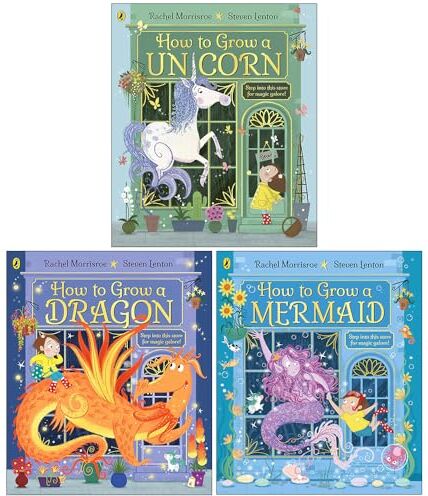
Puffin ltd How to Grow Series Collection 3 Books Set By Rachel Morrisroe (How to Grow a Unicorn, How to Grow a Dragon and How to Grow a Mermaid)How to Grow Series Collection 3 Books Set By Rachel Morrisroe (How to Grow a Unicorn, How to Grow a Dragon & How to Grow a Mermaid): How to Grow a Unicorn: A rollicking, rhyming read-aloud treat from wordsmith extraordinaire, debut author Rachel Morrisroe, and the ridiculously talented, bestselling Steven Lenton.Welcome to Mr Pottifer's Parlour of Plants: a magical shop with the most surprising plants you'll ever see! Sarah thinks she's discovered the perfect gift for her garden-loving grandma, but before you can say GARDEN FULL OF UNICORNS, things grow wildly out-of-hand! How to Grow a Dragon: A story that celebrates problem solving, kindness and resourcefulness.An unexpected delivery of dragodil seeds provides the perfect chance for Sarah and Mr Pottifer to grow helpful dragon pets for their customers - or does it? It turns out that these fiery dragons are not very well-behaved at all... and everything soon spirals into smoke-filled, out-of-control DRAGON CHAOS! Can Sarah's quick thinking and green fingers save the day? How to Grow a Mermaid: A new customer at the shop buys some mermaid seeds, and Sarah is only too happy to help him grow them. But when the plants are accidentally given too much sugar, their vines spread throughout the town, flooding the streets and causing a whole heap of MER-MAYHEM! Can Sarah and her new friend use their quick thinking and green fingers to save the day?19,99 £*Shipping: 2,99 £Secure redirect to the provider
-
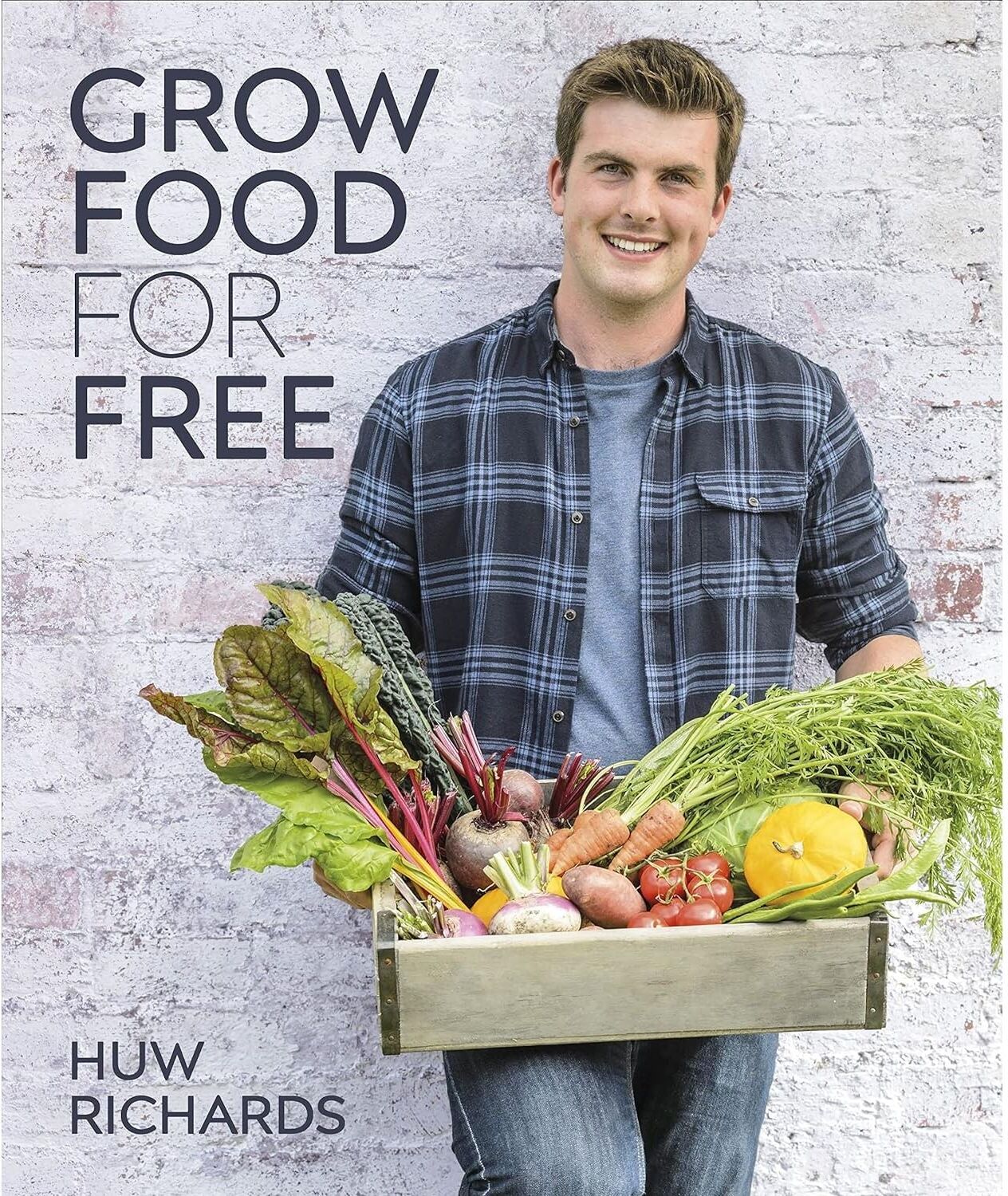
DK Grow Food for Free: The easy, sustainable, zero-cost way to a plentiful harvest by Huw RicahrdsZero-cost, low effort and a long term solution to your fresh produce needs!Huw Richards set himself a challenge - to be self-sufficient by growing his own fruit and veg for free for a year. He succeeded, and now wants to help you do the same.Grow your own food in your home garden, allotment or container and look forward to a bountiful harvest year-round. You can plant fruit and veg at home without spending a penny and Huw Richard's shows you how.Packed with tried-and-tested advice, this gardening book covers:- Finding a space to grow - in the garden or on a terrace or balcony - and sourcing the materials you need- Deciding what to grow your crops in (the ground, a raised bed, or containers)- Clear growing instructions on more than 30 species of popular annual and perennial crops- Huw Richards' 52-week journal of how he grew his own food for free for a year without spending a penny- Advice on how to go about selling your produce to raise money to expand your growing areaAuthor Huw Richards is a man on a mission. He is passionate about teaching you how to garden and grow your own food. Years of experience and trying different things has taught Huw how to garden with little money (or without a garden) and he shows you how to do the same! Grow Food for Free teaches you how to produce no-cost, low-maintenance fruit and veg - and finding low-cost ways to overcome common gardening worries.Learn about the space you need and how to prepare it, make your own compost, tackle weeds, pests, and diseases, and how to get hold of your first set of seeds! Discover strategies to expand your garden. Can't afford a raised bed? Try repurposing an old wooden pallet. Don't have money to buy lots of different seeds? Look in your kitchen cupboards for food that you can plant. This home gardening book shows you everything you need to barter, borrow, repurpose, and propagate your way to a bountiful harvest without burdening your bank balance!7,95 £*Shipping: 2,99 £Secure redirect to the provider
-
BBC Books RHS How to Garden 3 Book Set – Perennial Plants, Grow Food for Free & Gardening Guide CollectionHow to Garden Perennial Garden Plants, RHS How To Garden (HB), Grow Food for Free (HB) 3 Books Collection Set Alan Titchmarsh How to Garden: Perennial Garden Plants Herbaceous perennials flower each year, dying down in the winter and springing back to life the following spring. They are central features in the landscape of a garden as they appear year-after-year and must be regarded as constant features. This book gives the expert view on the vast array of flowers available. Includes: creative garden ideas and border planting plans practical advice on care, maintenance and propagation illustrated A-Z profiles of recommended plants recommended plants for specific purposes, conditions and effects step-by-step illustrations showing essential techniques Alan Titchmarsh imparts a lifetime of expertise in these definitive guides for beginners and experienced gardeners. Step-by-step illustrations and easy-to-follow instructions guide you through the basic gardening skills and on to the advanced techniques, providing everything you need to create beautiful flower borders in your garden. RHS How To Garden When You're New To Gardening: The Basics For Absolute Beginners (Hardback) If the desire to start a garden has been planted in your heart, then this essential guide is a wonderful companion to accompany you on your new adventure! If you're not sure of the first steps to take, this handbook takes the anxiety out of plotting and planting and equips you with all the know-how and confidence you need to get digging into your garden. Creating a garden that you can enjoy and keep looking beautiful all year round is easier than you think!With the expertise of the Royal Horticultural Society, you'll find simple step-by-step instructions, with clear images to help you create your dream garden, no matter the size and scale. Get to know your garden and choose plants that will grow well in particular soil types and conditions year after year. From growing root crop to cutting back ivy, this book gives you lots of simple garden ideas and projects that you can do yourself. Even if you've never sowed a seed or pulled a weed, RHS How to Garden When You're New To Gardening contains everything you need to kickstart your new outdoor hobby! This refreshingly accessible book is perfect for the novice gardener who wants to make the most of whatever garden they have. Your Guide to Creating the Garden of Your Dreams Do you want to create a garden you can show off with pride? Would you like to grow your own food? This book will get you started quickly! By following the simple steps and projects outlined in this book, you will reap instant rewards and long-term successes so that you can enjoy your garden in all seasons. Inside the pages of this comprehensive gardening book, you'll discover: - Clear definitions and descriptions of the different types of plants. - Tips on choosing the type of garden you want. - Easy-to-follow instructions for choosing the right plants for your soil....14,99 £*Shipping: 2,99 £Secure redirect to the provider
-
Scholastic Professional Rooted in Strength: Using Translanguaging to Grow Multilingual Readers and WritersAdditionally, the authors present rich and thoughtful literacy practices that propel emergent bilinguals into reading and writing success. The core of this approach is honoring and leveraging the language and cultural resources emergent bilinguals...36,99 $*Shipping: 0,00 $Secure redirect to the provider
-
Can you also grow from lactose-free milk?
Yes, you can still grow from lactose-free milk because it contains all the essential nutrients found in regular milk, such as protein, calcium, and vitamin D. Lactose-free milk is simply regular milk that has been treated with the enzyme lactase to break down the lactose, making it easier to digest for those who are lactose intolerant. Therefore, it can still support growth and development just like regular milk. **
-
Does my baby also grow and develop through free play?
Yes, free play is an important part of a baby's growth and development. Through free play, babies have the opportunity to explore their environment, develop their motor skills, and engage in imaginative and creative activities. It also helps them learn about cause and effect, problem-solving, and social interaction. Free play allows babies to follow their own interests and curiosity, which can lead to important cognitive and emotional development. **
-
Which animal is suitable for a biology research project?
The choice of animal for a biology research project depends on the specific research question and the ethical considerations involved. For example, if the research involves studying mammalian physiology, mice or rats are commonly used due to their genetic similarity to humans. If the research focuses on behavior, social structure, or communication, animals such as primates or birds may be more suitable. It is important to consider the welfare of the animals and to use the most appropriate species for the research question while minimizing harm. **
-
What is the topic of the biology research project?
The topic of the biology research project is the impact of environmental factors on the growth and development of plant species. The project aims to investigate how variables such as light, temperature, and soil composition affect the physiological processes and overall health of different plant species. The research will involve conducting experiments and collecting data to analyze the specific effects of these environmental factors on plant growth and development. **
Similar search terms for Tula-Free-to-Grow
-
DK Allotment Month By Month - Grow Your Own Fruit And Vegetables Know What To Do WhenAllotment Month By Month A new edition of the bestselling guide to making the most of your allotment, with seasonal advice, essential to-do lists, and more than 60 fruit and vegetable crop planners. Grow fresh, seasonal produce in your allotment or kitchen garden all year round with the bestselling guide from Alan Buckingham. Allotment Month by Month takes the uncertainty out of your harvest with clear, reliable gardening advice for every month of the year. In-depth crop planners show you when to sow and how to cultivate more than 60 herbs, fruit, and vegetables, including kale, rhubarb, spinach, strawberries, and apples. Month-by-month alerts help you guard against the season's garden pests and diseases to ensure a top-quality harvest. Prioritise key garden tasks, learn crop rotation techniques, and try step-by-step garden projects, such as sowing peas in guttering and making your own compost bin. This new edition has updated recommendations for the best varieties to grow and all the latest advice on pesticide use. Ideal for both urban gardeners and seasoned allotment owners, or as self-purchase or gift for first-time vegetable growers, Allotment Month by Month has everything you need to know to make the most of your plot.9,99 £*Shipping: 2,99 £Secure redirect to the provider
-
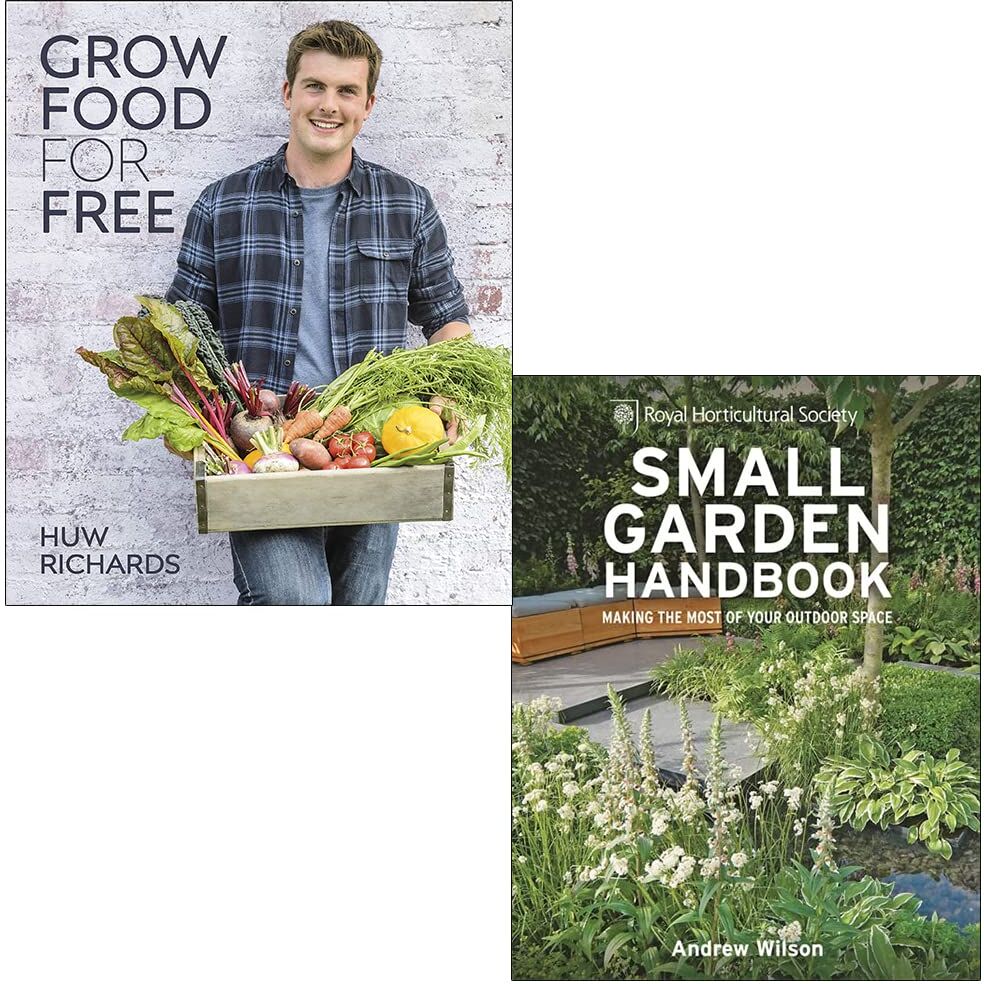
DK Grow Food for Free By Huw Richards and RHS Small Garden Handbook By Andrew Wilson 2 Books Collection SetGrow Food for Free By Huw Richards & RHS Small Garden Handbook By Andrew Wilson 2 Books Collection Set: Grow Food for Free: Grow your own food in your home garden, allotment or container and look forward to a bountiful harvest year-round. You can plant fruit and veg at home without spending a penny and Huw Richard's shows you how. Packed with tried-and-tested advice, this gardening book covers: Finding a space to grow - in the garden or on a terrace or balcony - and sourcing the materials you need- Deciding what to grow your crops in (the ground, a raised bed, or containers)- Clear growing instructions on more than 30 species of popular annual and perennial crops- Huw Richards' 52-week journal of how he grew his own food for free for a year without spending a penny- Advice on how to go about selling your produce to raise money to expand your growing area. RHS Small Garden Handbook: RHS Small Garden Handbook provides an all-in-one guide for small space gardeners and draws on the experience in growing, planting, landscaping and design for which the RHS is world famous.It begins by explaining how to assess your plot so that you are aware of the soil, orientation, microclimate, existing materials and proportions that you have to work with, before revealing the principles of good design. Showing how your decisions on layout, colour and texture will affect the finished design and what tricks can be played to create a greater sense of space - with everything from expert design advice on boundaries, hedges and fences to clever ideas for containers and storage - every gardener will gain confidence in creating a garden to enjoy no matter how big the plot.19,99 £*Shipping: 2,99 £Secure redirect to the provider
-
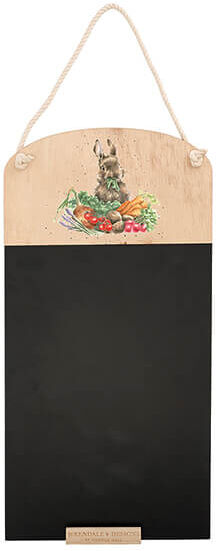
Wrendale Designs 'Grow Your Own' ChalkboardThe Wrendale Designs Chalkboard Grow Your Own is perfect for jotting down lists, notes, or meal plans. Ideal for use in the kitchen or around the home, it combines functionality with a charming rabbit design that adds a touch of character to your decor. Featuring an easy-to-hang rope and a ledge to keep a piece of chalk handy, this chalkboard is both practical and aesthetically pleasing, making it a delightful addition to any space. Part of the Wrendale Designs Daisy range - a collection that brings together charming designs with everyday functionality. Dimensions: 50 x 25cm.19,80 £*Shipping: 3,50 £Secure redirect to the provider
-
What are some project examples for computer science specialists in application development to practice?
Computer science specialists in application development can practice their skills by working on projects such as developing a mobile app for a specific purpose, creating a web application with a user-friendly interface, building a database management system for a small business, or designing a software solution for a specific industry problem. They can also work on projects involving artificial intelligence, machine learning, or data analysis to gain experience in cutting-edge technologies. Additionally, contributing to open-source projects or participating in hackathons can provide valuable hands-on experience and help build a strong portfolio. **
-
Should I study molecular biology and biotechnology to gain experience?
Studying molecular biology and biotechnology can be a great way to gain valuable experience in a rapidly growing and important field. These fields offer opportunities to work on cutting-edge research and technology, and can lead to a wide range of career options in areas such as pharmaceuticals, healthcare, agriculture, and environmental science. By studying molecular biology and biotechnology, you can gain hands-on experience with techniques and technologies that are in high demand in the job market. Additionally, this knowledge can provide a strong foundation for pursuing further education or entering the workforce in a variety of scientific and technical roles. **
-
Will I still grow if my development slows down?
Yes, you can still grow even if your development slows down. Growth and development are two separate processes, and while development may slow down, growth can still occur. Factors such as genetics, nutrition, and overall health can continue to contribute to your physical and mental growth even if your development slows. It's important to focus on taking care of your body and mind to support continued growth, even if it happens at a slower pace. **
-
Why is science free from God?
Science is considered to be free from God because it operates on the basis of empirical evidence, observation, and experimentation, rather than relying on faith or belief in a higher power. The scientific method is based on naturalistic explanations and seeks to understand the natural world through evidence-based reasoning. This approach does not require the existence of a supernatural being or deity to explain natural phenomena, and therefore science is considered to be separate from religious beliefs. Additionally, the concept of God is not testable or falsifiable within the framework of scientific inquiry, further separating the two domains. **
* All prices are inclusive of VAT and, if applicable, plus shipping costs. The offer information is based on the details provided by the respective shop and is updated through automated processes. Real-time updates do not occur, so deviations can occur in individual cases. ** Note: Parts of this content were created by AI.