Buy bbio-project.eu ?
We are moving the project
bbio-project.eu .
Are you interested in purchasing the domain
bbio-project.eu ?
domain@kv-gmbh.de · 0541-91531010
Buy bbio-project.eu ?
What is evolution in biology?
Evolution in biology is the process by which populations of organisms change over time through the gradual accumulation of genetic variations. This change occurs through mechanisms such as natural selection, genetic drift, and gene flow, leading to the development of new species. Evolution is driven by the interaction between organisms and their environment, resulting in the adaptation of species to their surroundings. It is a fundamental concept in biology that explains the diversity of life on Earth. **
How does evolution occur in biology?
Evolution in biology occurs through the process of natural selection, genetic mutation, and genetic drift. Natural selection occurs when individuals with advantageous traits are more likely to survive and reproduce, passing on those traits to their offspring. Genetic mutation introduces new variations in the gene pool, which can lead to the development of new traits. Genetic drift occurs when random events cause certain traits to become more or less common in a population. Over time, these processes can lead to the gradual change and adaptation of species to their environment, resulting in evolution. **
Similar search terms for GreenPan-Evolution-28cm-Frypan
Top-Angebote
Products related to GreenPan-Evolution-28cm-Frypan:
-
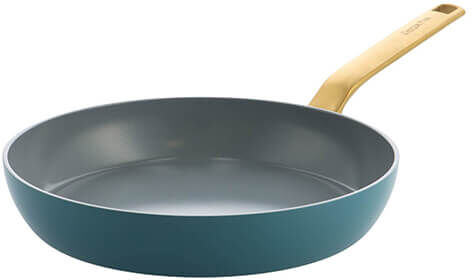
GreenPan Evolution 28cm Frypan BlueThe Greenpan Evolution 28cm Blue Frypan offers a fantastic cooking experience with its innovative features and sustainable design. This pan is easy to recycle and perfect for eco-conscious cooks. Designed for cooking, the removable stainless steel handle allows for convenient storage and cleaning. The PFAS-free Thermolon non-stick coating ensures food releases easily, while the generous cooking surface provides ample space for your culinary creations. Material: 100% recycled aluminium. Dishwasher safe for easy and convenient cleaning. 10-year guarantee.71,10 £*Shipping: 0,00 £Secure redirect to the provider
-
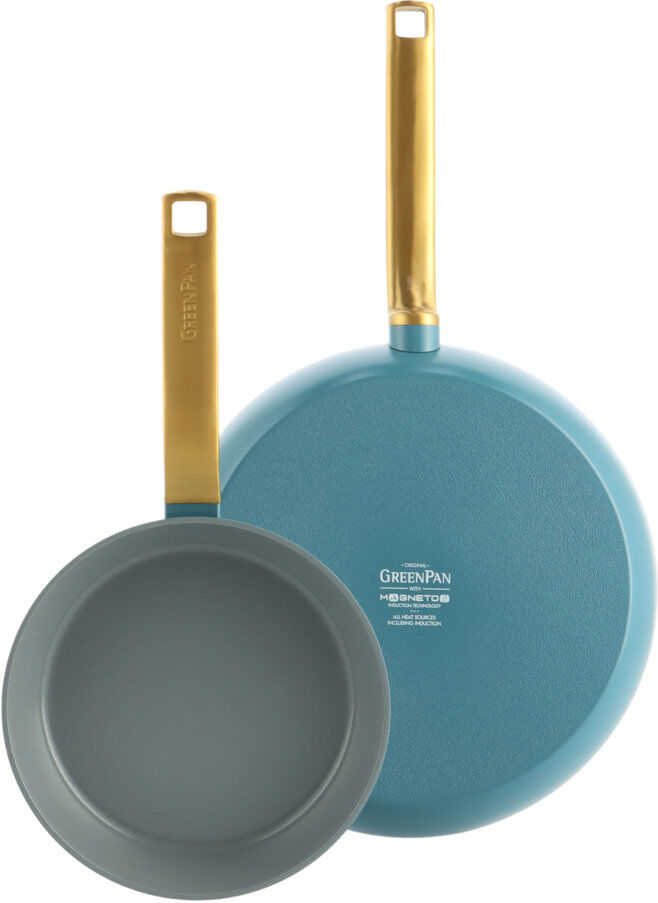
Greenpan Evolution Frypan Set 2 Piece - 20cm & 28cm BlueWith the Evolution Collection, you get our biggest innovations in one fell swoop! The items are made from recycled aluminium and have a removable stainless steel handle, making them easy to recycle. This ultra-strong pan delivers a fantastic cooking experience, thanks to our PFAS-FREE Thermolon non-stick coating, Balance Pro base technology, Magneto induction base, and Scratch Guard technology. And how about an XL cooking surface? With this pan you're making a more sustainable choice: the body is made of 100% recycled aluminium. Is your pan ready for replacement after years of cooking? Simply unscrew the handle yourself. This way, all the pan's components can be efficiently recycled. GreenPan99,99 £*Shipping: 0,00 £Secure redirect to the provider
-
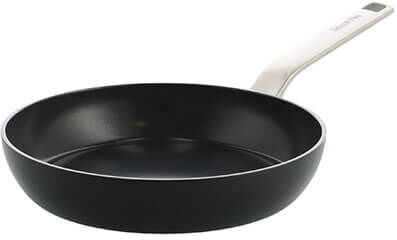
GreenPan Evolution 24cm Frypan BlackThe Greenpan Evolution 24cm Black Frypan offers a fantastic cooking experience with its innovative features and sustainable design. This pan is easy to recycle and perfect for eco-conscious cooks. Designed for cooking, the removable stainless steel handle allows for convenient storage and cleaning. The PFAS-free Thermolon non-stick coating ensures food releases easily, while the generous cooking surface provides ample space for your culinary creations. Material: 100% recycled aluminium. Dishwasher safe for easy and convenient cleaning. 10-year guarantee.62,10 £*Shipping: 0,00 £Secure redirect to the provider
-
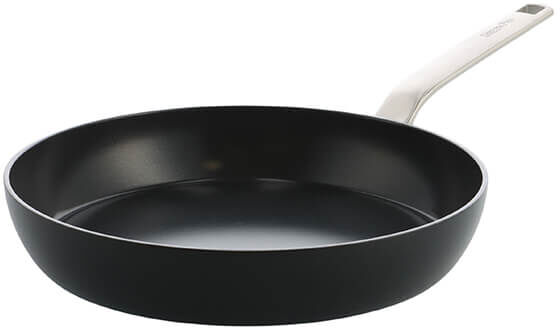
GreenPan Evolution 30cm Frypan BlackThe Greenpan Evolution 30cm Black Frypan offers a fantastic cooking experience with its innovative features and sustainable design. This pan is easy to recycle and perfect for eco-conscious cooks. Designed for cooking, the removable stainless steel handle allows for convenient storage and cleaning. The PFAS-free Thermolon non-stick coating ensures food releases easily, while the generous cooking surface provides ample space for your culinary creations. Material: 100% recycled aluminium. Dishwasher safe for easy and convenient cleaning. 10-year guarantee.80,10 £*Shipping: 0,00 £Secure redirect to the provider
-
What is cosmic evolution, chemical evolution, biological evolution, and cultural evolution?
Cosmic evolution refers to the development and changes in the universe over time, including the formation of galaxies, stars, and planets. Chemical evolution is the process by which elements and compounds have changed and evolved over time, leading to the formation of complex molecules and the conditions necessary for life. Biological evolution is the process by which living organisms have changed and diversified over time through genetic variation, natural selection, and other mechanisms. Cultural evolution refers to the development and changes in human societies, including the growth of technology, language, art, and social structures. **
-
What topic does evolution address in biology?
Evolution addresses the process of how species change over time, and how new species arise from existing ones. It explains the diversity of life on Earth and the patterns of similarities and differences among organisms. Evolution also explores the mechanisms and factors that drive these changes, such as natural selection, genetic drift, and mutation. Overall, evolution is a fundamental concept in biology that helps us understand the history and interconnectedness of all living organisms. **
-
Is analogy in biology evidence for evolution?
Yes, analogy in biology can be considered evidence for evolution. Analogous structures in different species, such as the wings of birds and bats, or the fins of dolphins and fish, are similar in function but have different underlying structures. This suggests that these structures have evolved independently in different lineages to serve similar purposes, supporting the idea of convergent evolution. Additionally, the presence of vestigial structures, such as the remnants of pelvic bones in whales, provides further evidence for evolution by showing that organisms have inherited structures from their ancestors that are no longer functional in their current form. **
-
How could one structure a research paper on the evolution of dinosaurs in biology?
A research paper on the evolution of dinosaurs in biology could be structured in a few different ways. One approach could be to start with an introduction that provides an overview of the topic and its significance, followed by a section on the history of dinosaur discovery and classification. The paper could then delve into the evolutionary history of dinosaurs, discussing their origins, diversification, and eventual extinction. Another approach could be to focus on specific aspects of dinosaur evolution, such as their anatomy, behavior, or ecological roles, and organize the paper around these themes. Regardless of the specific structure chosen, the paper should include a thorough review of the relevant scientific literature, as well as a discussion of current research and unanswered questions in the field. **
What are the directions of evolution in biology?
Evolution in biology can occur in three main directions: divergent evolution, convergent evolution, and parallel evolution. Divergent evolution happens when two or more species evolve from a common ancestor and become increasingly different over time. Convergent evolution occurs when unrelated species develop similar traits due to adapting to similar environments. Parallel evolution involves two related species evolving in similar ways independently of each other. These directions of evolution help explain the diversity of life on Earth and how species adapt to their environments over time. **
What is the theory of evolution in biology?
The theory of evolution in biology is the understanding that species of organisms change over time through the process of natural selection. This theory, first proposed by Charles Darwin, suggests that individuals with advantageous traits are more likely to survive and reproduce, passing those traits on to their offspring. Over many generations, this process can lead to the development of new species. Evolution is supported by evidence from various fields of biology, including genetics, paleontology, and comparative anatomy. **
Top-Angebote
Products related to GreenPan-Evolution-28cm-Frypan:
-
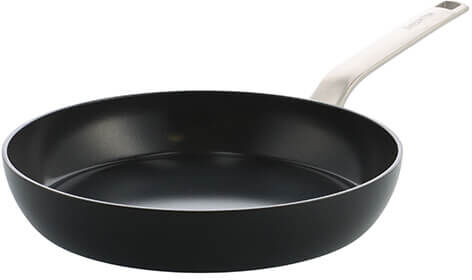
GreenPan Evolution 28cm Frypan BlackThe Greenpan Evolution 28cm Black Frypan offers a fantastic cooking experience with its innovative features and sustainable design. This pan is easy to recycle and perfect for eco-conscious cooks. Designed for cooking, the removable stainless steel handle allows for convenient storage and cleaning. The PFAS-free Thermolon non-stick coating ensures food releases easily, while the generous cooking surface provides ample space for your culinary creations. Material: 100% recycled aluminium. Dishwasher safe for easy and convenient cleaning. 10-year guarantee.71,10 £*Shipping: 0,00 £Secure redirect to the provider
-
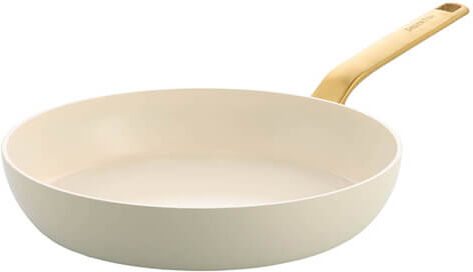
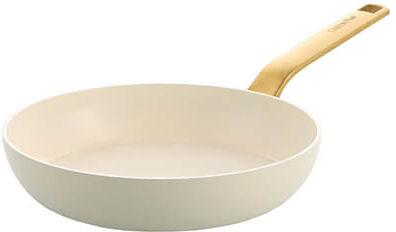
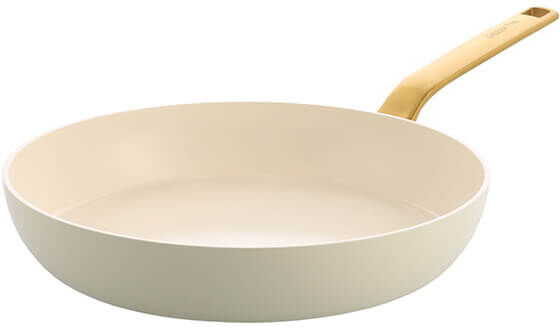
GreenPan Evolution 28cm Frypan CreamThe Greenpan Evolution 28cm Cream Frypan offers a fantastic cooking experience with its innovative features and sustainable design. This pan is easy to recycle and perfect for eco-conscious cooks. Designed for cooking, the removable stainless steel handle allows for convenient storage and cleaning. The PFAS-free Thermolon non-stick coating ensures food releases easily, while the generous cooking surface provides ample space for your culinary creations. Material: 100% recycled aluminium. Dishwasher safe for easy and convenient cleaning. 10-year guarantee.71,10 £*Shipping: 0,00 £Secure redirect to the provider
-
GreenPan Evolution 28cm Frypan BlueThe Greenpan Evolution 28cm Blue Frypan offers a fantastic cooking experience with its innovative features and sustainable design. This pan is easy to recycle and perfect for eco-conscious cooks. Designed for cooking, the removable stainless steel handle allows for convenient storage and cleaning. The PFAS-free Thermolon non-stick coating ensures food releases easily, while the generous cooking surface provides ample space for your culinary creations. Material: 100% recycled aluminium. Dishwasher safe for easy and convenient cleaning. 10-year guarantee.71,10 £*Shipping: 0,00 £Secure redirect to the provider
-
Greenpan Evolution Frypan Set 2 Piece - 20cm & 28cm BlueWith the Evolution Collection, you get our biggest innovations in one fell swoop! The items are made from recycled aluminium and have a removable stainless steel handle, making them easy to recycle. This ultra-strong pan delivers a fantastic cooking experience, thanks to our PFAS-FREE Thermolon non-stick coating, Balance Pro base technology, Magneto induction base, and Scratch Guard technology. And how about an XL cooking surface? With this pan you're making a more sustainable choice: the body is made of 100% recycled aluminium. Is your pan ready for replacement after years of cooking? Simply unscrew the handle yourself. This way, all the pan's components can be efficiently recycled. GreenPan99,99 £*Shipping: 0,00 £Secure redirect to the provider
-
What is evolution in biology?
Evolution in biology is the process by which populations of organisms change over time through the gradual accumulation of genetic variations. This change occurs through mechanisms such as natural selection, genetic drift, and gene flow, leading to the development of new species. Evolution is driven by the interaction between organisms and their environment, resulting in the adaptation of species to their surroundings. It is a fundamental concept in biology that explains the diversity of life on Earth. **
-
How does evolution occur in biology?
Evolution in biology occurs through the process of natural selection, genetic mutation, and genetic drift. Natural selection occurs when individuals with advantageous traits are more likely to survive and reproduce, passing on those traits to their offspring. Genetic mutation introduces new variations in the gene pool, which can lead to the development of new traits. Genetic drift occurs when random events cause certain traits to become more or less common in a population. Over time, these processes can lead to the gradual change and adaptation of species to their environment, resulting in evolution. **
-
What is cosmic evolution, chemical evolution, biological evolution, and cultural evolution?
Cosmic evolution refers to the development and changes in the universe over time, including the formation of galaxies, stars, and planets. Chemical evolution is the process by which elements and compounds have changed and evolved over time, leading to the formation of complex molecules and the conditions necessary for life. Biological evolution is the process by which living organisms have changed and diversified over time through genetic variation, natural selection, and other mechanisms. Cultural evolution refers to the development and changes in human societies, including the growth of technology, language, art, and social structures. **
-
What topic does evolution address in biology?
Evolution addresses the process of how species change over time, and how new species arise from existing ones. It explains the diversity of life on Earth and the patterns of similarities and differences among organisms. Evolution also explores the mechanisms and factors that drive these changes, such as natural selection, genetic drift, and mutation. Overall, evolution is a fundamental concept in biology that helps us understand the history and interconnectedness of all living organisms. **
Similar search terms for GreenPan-Evolution-28cm-Frypan
-
GreenPan Evolution 24cm Frypan BlackThe Greenpan Evolution 24cm Black Frypan offers a fantastic cooking experience with its innovative features and sustainable design. This pan is easy to recycle and perfect for eco-conscious cooks. Designed for cooking, the removable stainless steel handle allows for convenient storage and cleaning. The PFAS-free Thermolon non-stick coating ensures food releases easily, while the generous cooking surface provides ample space for your culinary creations. Material: 100% recycled aluminium. Dishwasher safe for easy and convenient cleaning. 10-year guarantee.62,10 £*Shipping: 0,00 £Secure redirect to the provider
-
GreenPan Evolution 30cm Frypan BlackThe Greenpan Evolution 30cm Black Frypan offers a fantastic cooking experience with its innovative features and sustainable design. This pan is easy to recycle and perfect for eco-conscious cooks. Designed for cooking, the removable stainless steel handle allows for convenient storage and cleaning. The PFAS-free Thermolon non-stick coating ensures food releases easily, while the generous cooking surface provides ample space for your culinary creations. Material: 100% recycled aluminium. Dishwasher safe for easy and convenient cleaning. 10-year guarantee.80,10 £*Shipping: 0,00 £Secure redirect to the provider
-
GreenPan Evolution 24cm Frypan CreamThe Greenpan Evolution 24cm Cream Frypan offers a fantastic cooking experience with its innovative features and sustainable design. This pan is easy to recycle and perfect for eco-conscious cooks. Designed for cooking, the removable stainless steel handle allows for convenient storage and cleaning. The PFAS-free Thermolon non-stick coating ensures food releases easily, while the generous cooking surface provides ample space for your culinary creations. Material: 100% recycled aluminium. Dishwasher safe for easy and convenient cleaning. 10-year guarantee.62,10 £*Shipping: 0,00 £Secure redirect to the provider
-
GreenPan Evolution 30cm Frypan CreamThe Greenpan Evolution 30cm Cream Frypan offers a fantastic cooking experience with its innovative features and sustainable design. This pan is easy to recycle and perfect for eco-conscious cooks. Designed for cooking, the removable stainless steel handle allows for convenient storage and cleaning. The PFAS-free Thermolon non-stick coating ensures food releases easily, while the generous cooking surface provides ample space for your culinary creations. Material: 100% recycled aluminium. Dishwasher safe for easy and convenient cleaning. 10-year guarantee.80,10 £*Shipping: 0,00 £Secure redirect to the provider
-
Is analogy in biology evidence for evolution?
Yes, analogy in biology can be considered evidence for evolution. Analogous structures in different species, such as the wings of birds and bats, or the fins of dolphins and fish, are similar in function but have different underlying structures. This suggests that these structures have evolved independently in different lineages to serve similar purposes, supporting the idea of convergent evolution. Additionally, the presence of vestigial structures, such as the remnants of pelvic bones in whales, provides further evidence for evolution by showing that organisms have inherited structures from their ancestors that are no longer functional in their current form. **
-
How could one structure a research paper on the evolution of dinosaurs in biology?
A research paper on the evolution of dinosaurs in biology could be structured in a few different ways. One approach could be to start with an introduction that provides an overview of the topic and its significance, followed by a section on the history of dinosaur discovery and classification. The paper could then delve into the evolutionary history of dinosaurs, discussing their origins, diversification, and eventual extinction. Another approach could be to focus on specific aspects of dinosaur evolution, such as their anatomy, behavior, or ecological roles, and organize the paper around these themes. Regardless of the specific structure chosen, the paper should include a thorough review of the relevant scientific literature, as well as a discussion of current research and unanswered questions in the field. **
-
What are the directions of evolution in biology?
Evolution in biology can occur in three main directions: divergent evolution, convergent evolution, and parallel evolution. Divergent evolution happens when two or more species evolve from a common ancestor and become increasingly different over time. Convergent evolution occurs when unrelated species develop similar traits due to adapting to similar environments. Parallel evolution involves two related species evolving in similar ways independently of each other. These directions of evolution help explain the diversity of life on Earth and how species adapt to their environments over time. **
-
What is the theory of evolution in biology?
The theory of evolution in biology is the understanding that species of organisms change over time through the process of natural selection. This theory, first proposed by Charles Darwin, suggests that individuals with advantageous traits are more likely to survive and reproduce, passing those traits on to their offspring. Over many generations, this process can lead to the development of new species. Evolution is supported by evidence from various fields of biology, including genetics, paleontology, and comparative anatomy. **
* All prices are inclusive of VAT and, if applicable, plus shipping costs. The offer information is based on the details provided by the respective shop and is updated through automated processes. Real-time updates do not occur, so deviations can occur in individual cases. ** Note: Parts of this content were created by AI.