Buy bbio-project.eu ?
We are moving the project
bbio-project.eu .
Are you interested in purchasing the domain
bbio-project.eu ?
domain@kv-gmbh.de · 0541-91531010
Buy bbio-project.eu ?
How does sensory development progress?
Sensory development progresses through a series of stages, beginning with basic sensory experiences such as touch, taste, and smell in infancy. As children grow, they develop more refined sensory abilities, such as improved vision and hearing, and begin to integrate sensory information to make sense of their environment. This process continues into adolescence and adulthood, with individuals becoming more adept at interpreting and responding to sensory stimuli. Overall, sensory development progresses from basic sensory experiences to more complex and integrated sensory abilities as individuals mature. **
How could one structure a research paper on sensory physiology in biology?
A research paper on sensory physiology in biology could be structured in a traditional format with an introduction, literature review, methods, results, discussion, and conclusion. The introduction could provide background information on sensory physiology and its importance in biology. The literature review would summarize existing research on sensory physiology. The methods section would detail how the study was conducted, including the experimental design and data collection methods. The results section would present the findings of the study, while the discussion section would analyze and interpret the results in the context of existing literature. Finally, the conclusion would summarize the key findings and their implications for the field of sensory physiology. **

Similar search terms for JoyToys-Pop-Eye-Sensory
Top-Angebote
Products related to JoyToys-Pop-Eye-Sensory:
-
JoyToys Pop Eye Sensory Fidget Toy Stress Relief Squeeze Toy With Funny Popping Eyes duckTurn everyday stress into smiles with a hilarious stress relief toy that's as satisfying as it is entertaining. This sensory fidget toy features a soft, squeezable body that makes its goofy eyes pop out with every squeeze, delivering instant tactile...29,97 $*Shipping: 0,00 $Secure redirect to the provider
-
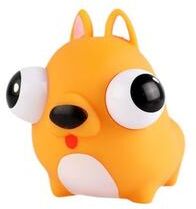
JoyToys Pop Eye Sensory Fidget Toy Stress Relief Squeeze Toy With Funny Popping Eyes dogTurn everyday stress into smiles with a hilarious stress relief toy that's as satisfying as it is entertaining. This sensory fidget toy features a soft, squeezable body that makes its goofy eyes pop out with every squeeze, delivering instant tactile...29,97 $*Shipping: 0,00 $Secure redirect to the provider
-
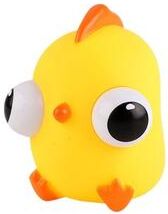
JoyToys Pop Eye Sensory Fidget Toy Stress Relief Squeeze Toy With Funny Popping Eyes chickenTurn everyday stress into smiles with a hilarious stress relief toy that's as satisfying as it is entertaining. This sensory fidget toy features a soft, squeezable body that makes its goofy eyes pop out with every squeeze, delivering instant tactile...29,97 $*Shipping: 0,00 $Secure redirect to the provider
-
JoyToys Pop Eye Sensory Fidget Toy Stress Relief Squeeze Toy With Funny Popping Eyes frogTurn everyday stress into smiles with a hilarious stress relief toy that's as satisfying as it is entertaining. This sensory fidget toy features a soft, squeezable body that makes its goofy eyes pop out with every squeeze, delivering instant tactile...29,97 $*Shipping: 0,00 $Secure redirect to the provider


-
What are the sensory organs in biology?
Sensory organs in biology are specialized structures that detect and respond to stimuli from the environment. These organs include the eyes for vision, the ears for hearing, the nose for smell, the tongue for taste, and the skin for touch. Each sensory organ is designed to detect specific types of stimuli and transmit signals to the brain for processing and interpretation. These organs play a crucial role in allowing organisms to interact with their surroundings and respond to changes in their environment. **
-
What are sensory cells, sensory organs, and senses?
Sensory cells are specialized cells that detect and respond to specific stimuli, such as light, sound, touch, taste, and smell. These cells are found in sensory organs, which are structures in the body that contain sensory cells and are responsible for detecting and transmitting sensory information to the brain. The senses, on the other hand, are the physiological capacities of organisms that provide data for perception. They include sight, hearing, touch, taste, and smell, and are essential for experiencing and interacting with the environment. **
-
What are nerve cells and sensory organs in biology?
Nerve cells, also known as neurons, are the basic building blocks of the nervous system. They are specialized cells that transmit information through electrical and chemical signals. Sensory organs are specialized structures in the body that detect and respond to external stimuli, such as light, sound, touch, taste, and smell. These organs include the eyes, ears, skin, tongue, and nose, and they play a crucial role in allowing organisms to perceive and interact with their environment. **
-
What is the difference between a primary sensory cell, a secondary sensory cell, and a sensory nerve cell?
Primary sensory cells are specialized cells that directly detect stimuli from the environment, such as light, sound, or touch. Secondary sensory cells receive signals from primary sensory cells and transmit them to the central nervous system. Sensory nerve cells, also known as sensory neurons, are responsible for transmitting the signals from secondary sensory cells to the brain, where they are processed and interpreted. In summary, primary sensory cells detect stimuli, secondary sensory cells relay the signals, and sensory nerve cells transmit the signals to the brain for processing. **

What is white spot disease and what are pop-eye?
White spot disease, also known as ich, is a common parasitic infection in fish caused by the protozoan Ichthyophthirius multifiliis. It presents as small white spots on the fish's body, fins, and gills, and can lead to irritation, inflammation, and respiratory distress. Pop-eye, on the other hand, is a condition where a fish's eye becomes swollen and protrudes from its socket. This can be caused by a variety of factors including bacterial infections, poor water quality, or physical trauma. Both white spot disease and pop-eye can be serious health issues for fish and should be treated promptly. **
Are receptors sensory cells?
Receptors are not sensory cells themselves, but they are specialized proteins located on the surface of sensory cells. These receptors are responsible for detecting and responding to specific stimuli, such as light, sound, taste, or smell. When a receptor is activated by a stimulus, it triggers a series of biochemical reactions within the sensory cell, ultimately leading to the generation of a sensory signal that can be transmitted to the brain for processing. Therefore, while receptors are not sensory cells, they play a crucial role in the sensory process by detecting and transducing stimuli into neural signals. **
Top-Angebote
Products related to JoyToys-Pop-Eye-Sensory:
-
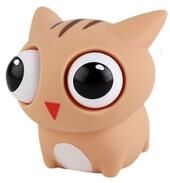
JoyToys Pop Eye Sensory Fidget Toy Stress Relief Squeeze Toy With Funny Popping Eyes catTurn everyday stress into smiles with a hilarious stress relief toy that's as satisfying as it is entertaining. This sensory fidget toy features a soft, squeezable body that makes its goofy eyes pop out with every squeeze, delivering instant tactile...29,97 $*Shipping: 0,00 $Secure redirect to the provider
-
JoyToys Ice Cream Stress Toy Music Pop Sensory Fidget For Kids & Adults orangeTurn everyday stress into playful relaxation with this adorable Ice Cream Stress Toy that combines satisfying sensory fun with a delightful music feature. Designed for kids, teens, and adults, this Sensory Fidget Toy offers a comforting handson...29,97 $*Shipping: 0,00 $Secure redirect to the provider
-
JoyToys Pop Eye Sensory Fidget Toy Stress Relief Squeeze Toy With Funny Popping Eyes duckTurn everyday stress into smiles with a hilarious stress relief toy that's as satisfying as it is entertaining. This sensory fidget toy features a soft, squeezable body that makes its goofy eyes pop out with every squeeze, delivering instant tactile...29,97 $*Shipping: 0,00 $Secure redirect to the provider
-
JoyToys Pop Eye Sensory Fidget Toy Stress Relief Squeeze Toy With Funny Popping Eyes dogTurn everyday stress into smiles with a hilarious stress relief toy that's as satisfying as it is entertaining. This sensory fidget toy features a soft, squeezable body that makes its goofy eyes pop out with every squeeze, delivering instant tactile...29,97 $*Shipping: 0,00 $Secure redirect to the provider
-
How does sensory development progress?
Sensory development progresses through a series of stages, beginning with basic sensory experiences such as touch, taste, and smell in infancy. As children grow, they develop more refined sensory abilities, such as improved vision and hearing, and begin to integrate sensory information to make sense of their environment. This process continues into adolescence and adulthood, with individuals becoming more adept at interpreting and responding to sensory stimuli. Overall, sensory development progresses from basic sensory experiences to more complex and integrated sensory abilities as individuals mature. **
-
How could one structure a research paper on sensory physiology in biology?
A research paper on sensory physiology in biology could be structured in a traditional format with an introduction, literature review, methods, results, discussion, and conclusion. The introduction could provide background information on sensory physiology and its importance in biology. The literature review would summarize existing research on sensory physiology. The methods section would detail how the study was conducted, including the experimental design and data collection methods. The results section would present the findings of the study, while the discussion section would analyze and interpret the results in the context of existing literature. Finally, the conclusion would summarize the key findings and their implications for the field of sensory physiology. **
-
What are the sensory organs in biology?
Sensory organs in biology are specialized structures that detect and respond to stimuli from the environment. These organs include the eyes for vision, the ears for hearing, the nose for smell, the tongue for taste, and the skin for touch. Each sensory organ is designed to detect specific types of stimuli and transmit signals to the brain for processing and interpretation. These organs play a crucial role in allowing organisms to interact with their surroundings and respond to changes in their environment. **
-
What are sensory cells, sensory organs, and senses?
Sensory cells are specialized cells that detect and respond to specific stimuli, such as light, sound, touch, taste, and smell. These cells are found in sensory organs, which are structures in the body that contain sensory cells and are responsible for detecting and transmitting sensory information to the brain. The senses, on the other hand, are the physiological capacities of organisms that provide data for perception. They include sight, hearing, touch, taste, and smell, and are essential for experiencing and interacting with the environment. **
Similar search terms for JoyToys-Pop-Eye-Sensory
-
JoyToys Pop Eye Sensory Fidget Toy Stress Relief Squeeze Toy With Funny Popping Eyes chickenTurn everyday stress into smiles with a hilarious stress relief toy that's as satisfying as it is entertaining. This sensory fidget toy features a soft, squeezable body that makes its goofy eyes pop out with every squeeze, delivering instant tactile...29,97 $*Shipping: 0,00 $Secure redirect to the provider
-
JoyToys Pop Eye Sensory Fidget Toy Stress Relief Squeeze Toy With Funny Popping Eyes frogTurn everyday stress into smiles with a hilarious stress relief toy that's as satisfying as it is entertaining. This sensory fidget toy features a soft, squeezable body that makes its goofy eyes pop out with every squeeze, delivering instant tactile...29,97 $*Shipping: 0,00 $Secure redirect to the provider
-
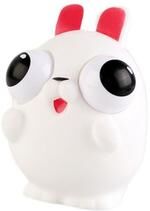
JoyToys Pop Eye Sensory Fidget Toy Stress Relief Squeeze Toy With Funny Popping Eyes rabbitTurn everyday stress into smiles with a hilarious stress relief toy that's as satisfying as it is entertaining. This sensory fidget toy features a soft, squeezable body that makes its goofy eyes pop out with every squeeze, delivering instant tactile...29,97 $*Shipping: 0,00 $Secure redirect to the provider
-
JoyToys Pop Eye Sensory Fidget Toy Stress Relief Squeeze Toy With Funny Popping Eyes bearTurn everyday stress into smiles with a hilarious stress relief toy that's as satisfying as it is entertaining. This sensory fidget toy features a soft, squeezable body that makes its goofy eyes pop out with every squeeze, delivering instant tactile...29,97 $*Shipping: 0,00 $Secure redirect to the provider
-
What are nerve cells and sensory organs in biology?
Nerve cells, also known as neurons, are the basic building blocks of the nervous system. They are specialized cells that transmit information through electrical and chemical signals. Sensory organs are specialized structures in the body that detect and respond to external stimuli, such as light, sound, touch, taste, and smell. These organs include the eyes, ears, skin, tongue, and nose, and they play a crucial role in allowing organisms to perceive and interact with their environment. **
-
What is the difference between a primary sensory cell, a secondary sensory cell, and a sensory nerve cell?
Primary sensory cells are specialized cells that directly detect stimuli from the environment, such as light, sound, or touch. Secondary sensory cells receive signals from primary sensory cells and transmit them to the central nervous system. Sensory nerve cells, also known as sensory neurons, are responsible for transmitting the signals from secondary sensory cells to the brain, where they are processed and interpreted. In summary, primary sensory cells detect stimuli, secondary sensory cells relay the signals, and sensory nerve cells transmit the signals to the brain for processing. **
-
What is white spot disease and what are pop-eye?
White spot disease, also known as ich, is a common parasitic infection in fish caused by the protozoan Ichthyophthirius multifiliis. It presents as small white spots on the fish's body, fins, and gills, and can lead to irritation, inflammation, and respiratory distress. Pop-eye, on the other hand, is a condition where a fish's eye becomes swollen and protrudes from its socket. This can be caused by a variety of factors including bacterial infections, poor water quality, or physical trauma. Both white spot disease and pop-eye can be serious health issues for fish and should be treated promptly. **
-
Are receptors sensory cells?
Receptors are not sensory cells themselves, but they are specialized proteins located on the surface of sensory cells. These receptors are responsible for detecting and responding to specific stimuli, such as light, sound, taste, or smell. When a receptor is activated by a stimulus, it triggers a series of biochemical reactions within the sensory cell, ultimately leading to the generation of a sensory signal that can be transmitted to the brain for processing. Therefore, while receptors are not sensory cells, they play a crucial role in the sensory process by detecting and transducing stimuli into neural signals. **
* All prices are inclusive of VAT and, if applicable, plus shipping costs. The offer information is based on the details provided by the respective shop and is updated through automated processes. Real-time updates do not occur, so deviations can occur in individual cases. ** Note: Parts of this content were created by AI.