Buy bbio-project.eu ?
We are moving the project
bbio-project.eu .
Are you interested in purchasing the domain
bbio-project.eu ?
domain@kv-gmbh.de · 0541-91531010
Buy bbio-project.eu ?
Are there new cars without particulate filters?
No, as of 2021, all new cars sold in the European Union are required to have particulate filters installed. These filters are essential for reducing harmful emissions, particularly particulate matter, from the vehicle's exhaust. Failure to comply with these regulations can result in hefty fines for car manufacturers. Therefore, it is unlikely to find new cars without particulate filters in the market today. **
How long does a particulate filter last?
The lifespan of a particulate filter can vary depending on several factors, including the type of filter, the vehicle's driving conditions, and maintenance practices. On average, a particulate filter can last anywhere from 100,000 to 150,000 miles. However, proper maintenance and regular cleaning can help extend the lifespan of the filter. It's important to follow the manufacturer's recommendations and have the filter inspected regularly to ensure it is functioning properly. **
Similar search terms for Particulate
Top-Angebote
Products related to Particulate:
-
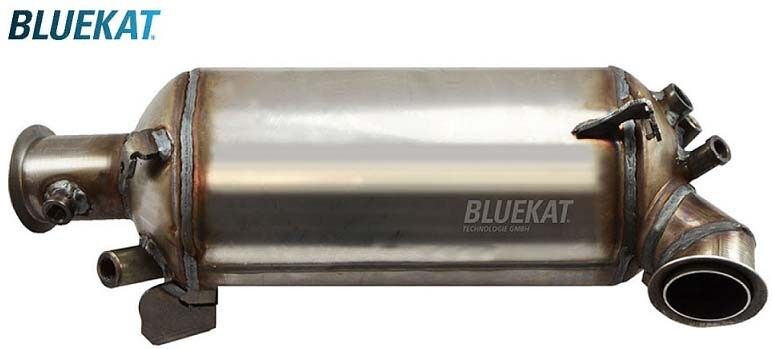
BLUEKAT 992060 Diesel particulate filterMaterial soot/particulate filter: Silicon carbide; Supplementary Article / Supplementary Info: with attachment/mounting material; not suited for fuel type: Bio Diesel; Emissions Standard: Euro 4; Emissions Standard: Euro 4; Catalytic Converter Type: for vehicles with soot particulate filter; Engine Code: M47D204D4; Construction Year from: 09/2005596,99 £*Shipping: 1,99 £Secure redirect to the provider
-
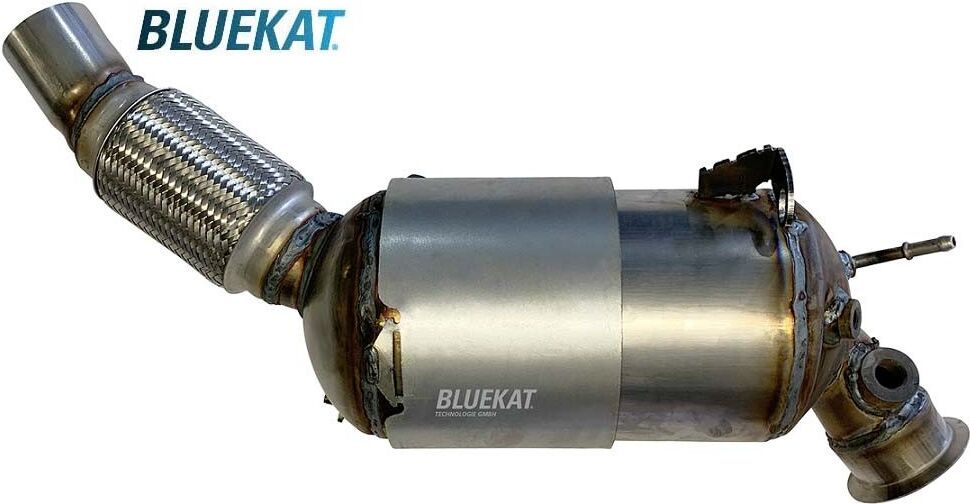
BLUEKAT 882061 Diesel particulate filterMaterial soot/particulate filter: Cordierite; Supplementary Article / Supplementary Info: with attachment/mounting material; not suited for fuel type: Bio Diesel; Emissions Standard: Euro 4; Emissions Standard: Euro 4; Catalytic Converter Type: for vehicles with soot particulate filter; Left-/right-hand drive vehicles: for left-hand drive vehicles; Construction Year from: 08/2006; Construction Year to: 08/2010, 03/2010541,99 £*Shipping: 1,99 £Secure redirect to the provider
-
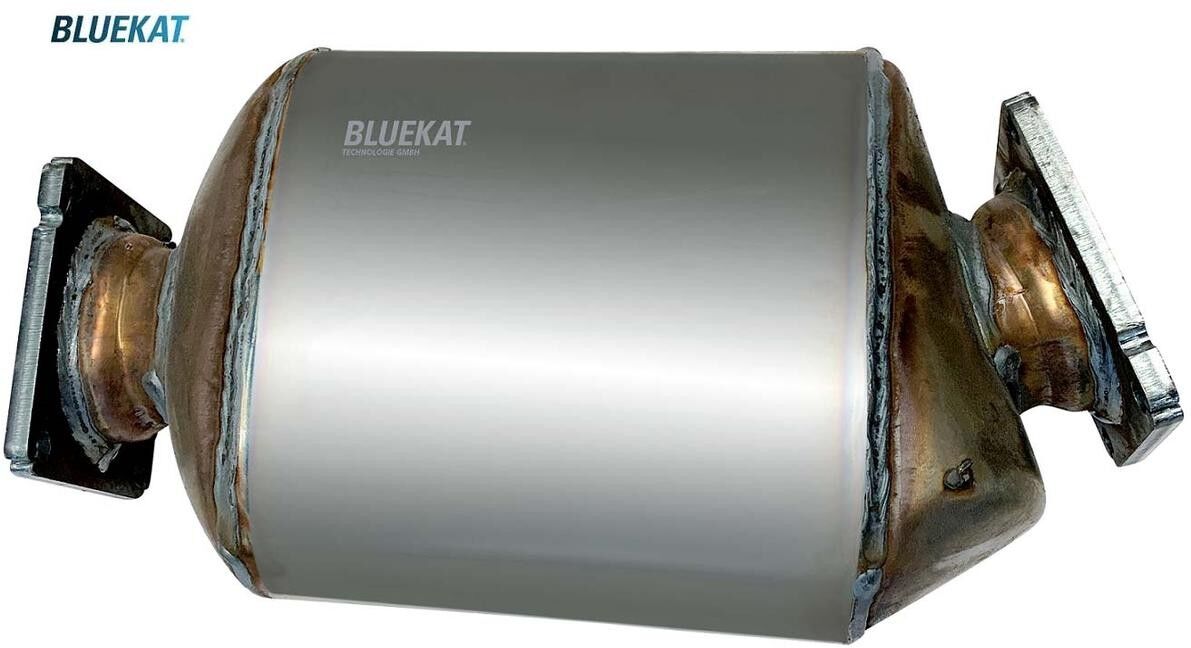
BLUEKAT 448010 Diesel particulate filterMaterial soot/particulate filter: Cordierite; Supplementary Article / Supplementary Info: with attachment/mounting material; not suited for fuel type: Bio Diesel; Emissions Standard: Euro 5; Emissions Standard: Euro 5; Construction Year to: 12/2015, 08/2012, 07/2013; Catalytic Converter Type: for vehicles with soot particulate filter; Vehicle Production Country: Slovakia, Czech Republic, Republic of Korea (South Korea); Vehicle type: Sportage, Sportage R; Transmission Type: Manual Transmission; Construction Year from: 05/2015783,99 £*Shipping: 1,99 £Secure redirect to the provider


-
Is the diesel particulate filter clogged again?
To determine if the diesel particulate filter is clogged again, you can check for symptoms such as reduced engine power, increased fuel consumption, or a strong exhaust odor. Additionally, you can use a diagnostic tool to check for error codes related to the diesel particulate filter. If the filter is clogged again, it may need to be cleaned or replaced to restore proper function and prevent further issues with the vehicle's performance. **
-
Why are small particulate matter so dangerous?
Small particulate matter, such as PM2.5 and PM10, are dangerous because they can penetrate deep into the lungs and even enter the bloodstream, causing a range of health problems. These tiny particles can exacerbate respiratory conditions like asthma and bronchitis, and can also lead to cardiovascular issues such as heart attacks and strokes. Additionally, small particulate matter has been linked to a variety of other health problems, including lung cancer and premature death. Therefore, it is important to minimize exposure to these particles in order to protect public health. **
-
Why does the particulate filter constantly smell bad?
The particulate filter in a vehicle's exhaust system can constantly smell bad due to the accumulation of soot and other particulate matter. As the filter captures and stores these particles to reduce emissions, it can become clogged and start to emit unpleasant odors. Additionally, if the filter becomes too hot, it can cause the trapped particles to burn and release a foul smell. Regular maintenance and cleaning of the particulate filter can help reduce these odors. **
-
Why do no particulate emissions occur when burning LPG?
No particulate emissions occur when burning LPG because it is a clean-burning fuel that produces very low levels of impurities. LPG is composed mainly of propane and butane, which have a simple chemical structure that allows for efficient combustion with minimal byproducts. This results in a cleaner burn compared to other fossil fuels like diesel or gasoline, which produce particulate matter as a result of incomplete combustion. **


Is the diesel particulate filter maintenance-free in BMW?
No, the diesel particulate filter in BMW vehicles is not maintenance-free. It requires periodic maintenance to ensure optimal performance and longevity. Regular maintenance such as cleaning or replacing the filter is necessary to prevent clogging and maintain the efficiency of the filter in reducing harmful emissions. It is important to follow the manufacturer's recommended maintenance schedule to keep the diesel particulate filter in good working condition. **
What happens when the diesel particulate filter is clogged?
When the diesel particulate filter is clogged, it can lead to a variety of issues with the vehicle. These can include decreased engine performance, reduced fuel efficiency, and increased exhaust emissions. Additionally, the vehicle may go into a "limp mode" where it operates at reduced power to prevent further damage. If the issue is not addressed, it can eventually lead to engine damage and costly repairs. Regular maintenance and cleaning of the diesel particulate filter can help prevent these issues. **
Top-Angebote
Products related to Particulate:
-
BLUEKAT 994014 Diesel particulate filternot suited for fuel type: Bio Diesel; Emissions Standard: Euro 4; for manufacturer emissions standard: Euro 4; Material: Silicon carbide; TecDoc Engine Number: 18994, 20159; Vehicle Identification Number (VIN) from: 7H-6-022 357, 7H8015058, 7H-6-019 321; Vehicle Identification Number (VIN) to: 7H-8-xxx xxx; Engine Code: BRS, BRS, BRR, BRR; Vehicle Equipment Line/Trim Level: DPF version; Construction Year from: 05/2007, 06/2006; Vehicle type: California, 7HF; Fitting Position: Front; Wheelbase: long wheelbase570,99 £*Shipping: 1,99 £Secure redirect to the provider
-
BLUEKAT 992050 Diesel particulate filterMaterial soot/particulate filter: Silicon carbide; Supplementary Article / Supplementary Info: with attachment/mounting material; not suited for fuel type: Bio Diesel; Emissions Standard: Euro 4; Emissions Standard: Euro 4, Euro 4 (D4); Catalytic Converter Type: for vehicles with soot particulate filter; Construction Year from: 03/2007, 03/2009, 12/2009; Construction Year to: 08/2011596,99 £*Shipping: 1,99 £Secure redirect to the provider
-
BLUEKAT 992060 Diesel particulate filterMaterial soot/particulate filter: Silicon carbide; Supplementary Article / Supplementary Info: with attachment/mounting material; not suited for fuel type: Bio Diesel; Emissions Standard: Euro 4; Emissions Standard: Euro 4; Catalytic Converter Type: for vehicles with soot particulate filter; Engine Code: M47D204D4; Construction Year from: 09/2005596,99 £*Shipping: 1,99 £Secure redirect to the provider
-
Are there new cars without particulate filters?
No, as of 2021, all new cars sold in the European Union are required to have particulate filters installed. These filters are essential for reducing harmful emissions, particularly particulate matter, from the vehicle's exhaust. Failure to comply with these regulations can result in hefty fines for car manufacturers. Therefore, it is unlikely to find new cars without particulate filters in the market today. **
-
How long does a particulate filter last?
The lifespan of a particulate filter can vary depending on several factors, including the type of filter, the vehicle's driving conditions, and maintenance practices. On average, a particulate filter can last anywhere from 100,000 to 150,000 miles. However, proper maintenance and regular cleaning can help extend the lifespan of the filter. It's important to follow the manufacturer's recommendations and have the filter inspected regularly to ensure it is functioning properly. **
-
Is the diesel particulate filter clogged again?
To determine if the diesel particulate filter is clogged again, you can check for symptoms such as reduced engine power, increased fuel consumption, or a strong exhaust odor. Additionally, you can use a diagnostic tool to check for error codes related to the diesel particulate filter. If the filter is clogged again, it may need to be cleaned or replaced to restore proper function and prevent further issues with the vehicle's performance. **
-
Why are small particulate matter so dangerous?
Small particulate matter, such as PM2.5 and PM10, are dangerous because they can penetrate deep into the lungs and even enter the bloodstream, causing a range of health problems. These tiny particles can exacerbate respiratory conditions like asthma and bronchitis, and can also lead to cardiovascular issues such as heart attacks and strokes. Additionally, small particulate matter has been linked to a variety of other health problems, including lung cancer and premature death. Therefore, it is important to minimize exposure to these particles in order to protect public health. **
Similar search terms for Particulate
-
BLUEKAT 882061 Diesel particulate filterMaterial soot/particulate filter: Cordierite; Supplementary Article / Supplementary Info: with attachment/mounting material; not suited for fuel type: Bio Diesel; Emissions Standard: Euro 4; Emissions Standard: Euro 4; Catalytic Converter Type: for vehicles with soot particulate filter; Left-/right-hand drive vehicles: for left-hand drive vehicles; Construction Year from: 08/2006; Construction Year to: 08/2010, 03/2010541,99 £*Shipping: 1,99 £Secure redirect to the provider
-
BLUEKAT 448010 Diesel particulate filterMaterial soot/particulate filter: Cordierite; Supplementary Article / Supplementary Info: with attachment/mounting material; not suited for fuel type: Bio Diesel; Emissions Standard: Euro 5; Emissions Standard: Euro 5; Construction Year to: 12/2015, 08/2012, 07/2013; Catalytic Converter Type: for vehicles with soot particulate filter; Vehicle Production Country: Slovakia, Czech Republic, Republic of Korea (South Korea); Vehicle type: Sportage, Sportage R; Transmission Type: Manual Transmission; Construction Year from: 05/2015783,99 £*Shipping: 1,99 £Secure redirect to the provider
-
BOSAL 095-446 Diesel particulate filterMaterial: Silicon carbide; Supplementary Article / Supplementary Info Info 2: with attachment parts; Emissions Standard: Euro 4; Construction Year from: 09/2007; Construction Year to: 06/2010; Catalytic Converter Type: for vehicles with soot particulate filter; Vehicle Production Country: Japan516,99 £*Shipping: 1,99 £Secure redirect to the provider
-
BOSAL 097-810 Diesel particulate filterMaterial: Cordierite; Supplementary Article / Supplementary Info Info 2: with attachment parts; Emissions Standard: Euro 4; Catalytic Converter Type: for vehicles with soot particulate filter; Left-/right-hand drive vehicles: for left-hand drive vehicles; Construction Year to: 03/2003, 01/2008; Construction Year from: 07/2003, 05/2005298,99 £*Shipping: 1,99 £Secure redirect to the provider
-
Why does the particulate filter constantly smell bad?
The particulate filter in a vehicle's exhaust system can constantly smell bad due to the accumulation of soot and other particulate matter. As the filter captures and stores these particles to reduce emissions, it can become clogged and start to emit unpleasant odors. Additionally, if the filter becomes too hot, it can cause the trapped particles to burn and release a foul smell. Regular maintenance and cleaning of the particulate filter can help reduce these odors. **
-
Why do no particulate emissions occur when burning LPG?
No particulate emissions occur when burning LPG because it is a clean-burning fuel that produces very low levels of impurities. LPG is composed mainly of propane and butane, which have a simple chemical structure that allows for efficient combustion with minimal byproducts. This results in a cleaner burn compared to other fossil fuels like diesel or gasoline, which produce particulate matter as a result of incomplete combustion. **
-
Is the diesel particulate filter maintenance-free in BMW?
No, the diesel particulate filter in BMW vehicles is not maintenance-free. It requires periodic maintenance to ensure optimal performance and longevity. Regular maintenance such as cleaning or replacing the filter is necessary to prevent clogging and maintain the efficiency of the filter in reducing harmful emissions. It is important to follow the manufacturer's recommended maintenance schedule to keep the diesel particulate filter in good working condition. **
-
What happens when the diesel particulate filter is clogged?
When the diesel particulate filter is clogged, it can lead to a variety of issues with the vehicle. These can include decreased engine performance, reduced fuel efficiency, and increased exhaust emissions. Additionally, the vehicle may go into a "limp mode" where it operates at reduced power to prevent further damage. If the issue is not addressed, it can eventually lead to engine damage and costly repairs. Regular maintenance and cleaning of the diesel particulate filter can help prevent these issues. **
* All prices are inclusive of VAT and, if applicable, plus shipping costs. The offer information is based on the details provided by the respective shop and is updated through automated processes. Real-time updates do not occur, so deviations can occur in individual cases. ** Note: Parts of this content were created by AI.