Buy bbio-project.eu ?
We are moving the project
bbio-project.eu .
Are you interested in purchasing the domain
bbio-project.eu ?
domain@kv-gmbh.de · 0541-91531010
Buy bbio-project.eu ?
What is the periodic table?
The periodic table is a tabular arrangement of all known chemical elements, organized by their atomic number, electron configuration, and recurring chemical properties. It is a fundamental tool in chemistry that allows scientists to predict the behavior of elements and their compounds. The table is divided into rows called periods and columns called groups, with elements in the same group sharing similar characteristics. The periodic table is constantly updated as new elements are discovered and our understanding of chemistry evolves. **
Which periodic table is better?
There is no definitive answer to which periodic table is better as both the Mendeleev periodic table and the modern periodic table have their own strengths and weaknesses. The Mendeleev periodic table is credited with predicting the properties of undiscovered elements and organizing elements based on their atomic mass. On the other hand, the modern periodic table arranges elements based on their atomic number, which reflects the number of protons in the nucleus. Ultimately, the choice of which periodic table is better depends on the context in which it is being used and personal preference. **
Similar search terms for Scholastic-Periodic-Table-w
Top-Angebote
Products related to Scholastic-Periodic-Table-w:
-
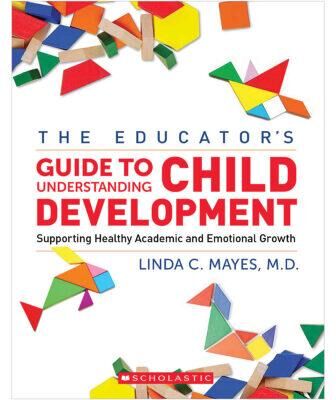
Scholastic Teaching Resources The Educator's Guide to Understanding Child DevelopmentThe Yale Child Study Center Guide to Understanding Your Child was a landmark essential resource for parents, offering accessible information on child development based on a deep understanding of brain research and psychology. Now that knowledge has...35,99 $*Shipping: 0,00 $Secure redirect to the provider
-
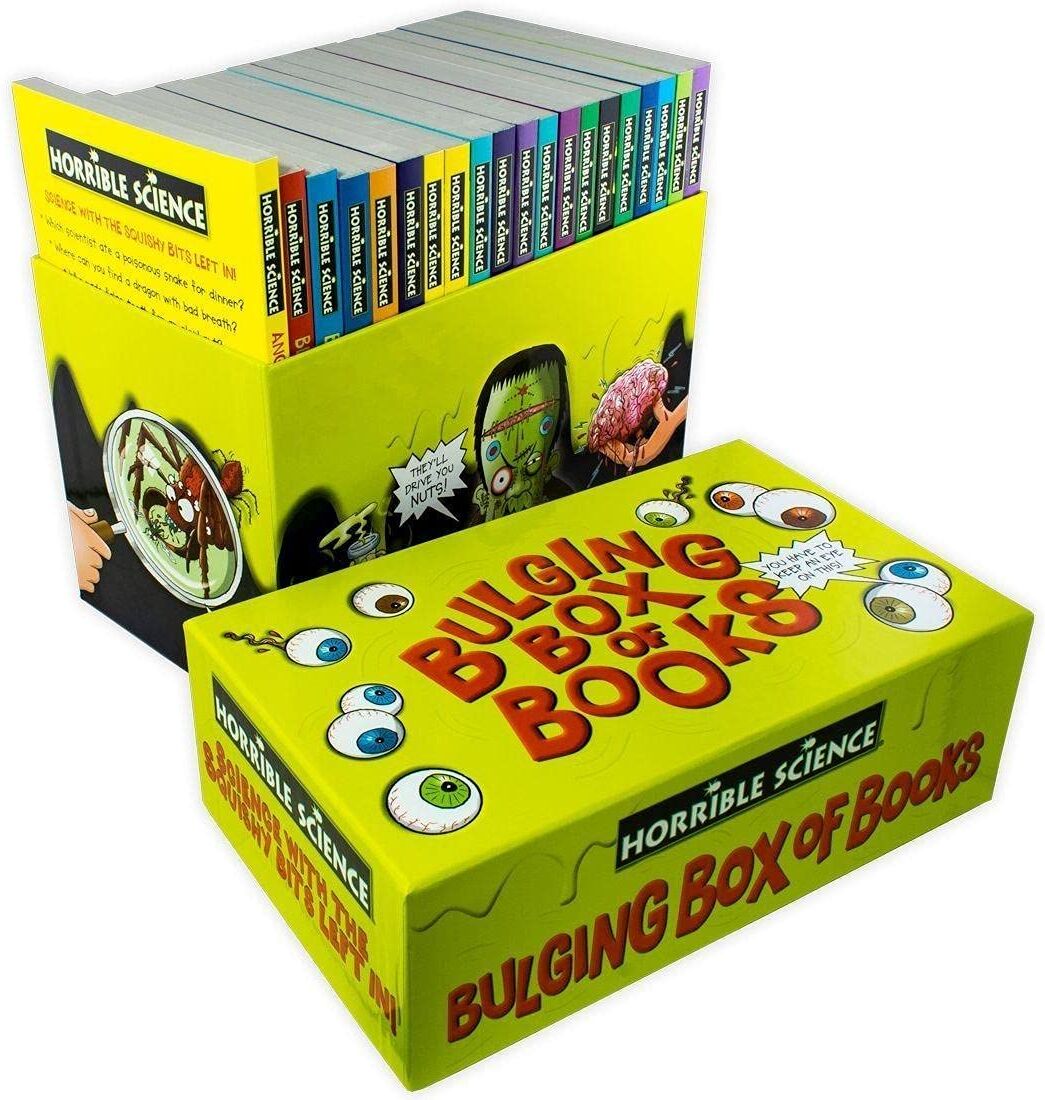
Scholastic Horrible Science Collection 20 Books Set by Nick ArnoldHorrible Science Collection - 20 Books Set (Horrible science books) Horrible Science Collection 20 Books by Nick Arnold. Features all the best-selling Horrible Science titles from A-Z - well from Blood, Bones and Body Bits to Vicious Veg. Titles in the Set include: Sounds Dreadful Space, Stars and Slimy Aliens Terrible Truth About Time Vicious Veg Painful Poison Microscoplc Monsters Killer Energy Frightening Light Fight for Flight Angry Animals Evolve or Die Disgusting Digestion Deadly Diseases Chemical Chaos Bulging Brains, Blood, Bones and Body Bits, Fatal Forces, Shocking Electricity, Nasty Nature, Ugly Bugs36,99 £*Shipping: 0,00 £Secure redirect to the provider
-
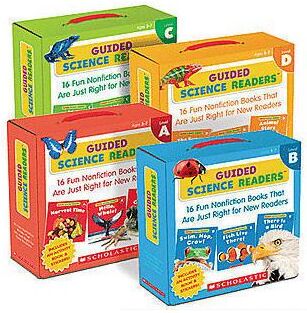
Scholastic Teaching Resources Guided Science Readers Pack (Levels A-D)Set your child on the path to reading success with these exciting collections of little books on favorite science topics. This set includes:Guided Science Readers Pack AGuided Science Readers Pack BGuided Science Readers Pack CGuided Science Readers...61,16 $*Shipping: 0,00 $Secure redirect to the provider
-
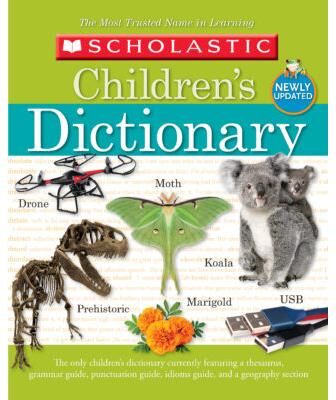
Scholastic Reference Scholastic Children's Dictionary (2019) (Hardcover) - ScholasticScholastic's trusted Children's Dictionary is back and bursting with up-to-date information on contemporary technological, scientific, and cultural terms, hundreds of new words, and in-depth sidebars featuring bold, colorful images. Featuring more...21,99 $*Shipping: 0,00 $Secure redirect to the provider
-
Why is the periodic table of elements not called the periodic table of atoms?
The periodic table of elements is not called the periodic table of atoms because it is organized based on the properties of elements, not individual atoms. The table arranges elements in order of increasing atomic number and groups them based on similar chemical and physical properties. It provides a systematic way to understand the behavior and characteristics of different elements, which is not specific to individual atoms. Additionally, the periodic table represents the elements in their neutral state, rather than as individual atoms with specific numbers of protons, neutrons, and electrons. **
-
Where is the periodic table stored?
The periodic table is stored in various places, including textbooks, websites, and scientific journals. It is also commonly found in classrooms, laboratories, and research facilities. Additionally, the periodic table can be accessed through mobile apps and online databases for easy reference and study. **
-
What makes the periodic table divine?
The periodic table is often considered divine because of its ability to organize all known elements in a systematic and logical manner. It provides a framework for understanding the properties and relationships between elements, allowing scientists to predict the behavior of unknown elements. The periodic table's structure, with elements arranged in increasing atomic number and grouped by similar properties, reflects the underlying order and symmetry of the natural world. Its comprehensive nature and predictive power have led to numerous scientific discoveries and advancements, making it a fundamental tool in the field of chemistry. **
-
Where is the periodic table kept?
The periodic table is a tabular arrangement of the chemical elements and is typically found in chemistry classrooms, laboratories, and textbooks. It is also widely available online and in various educational materials. The periodic table is a fundamental tool in the study of chemistry and is used by scientists, students, and researchers around the world. **
Search for an informative periodic table.
One informative periodic table that I recommend is the "Periodic Table of Elements" by Royal Society of Chemistry. This table provides detailed information about each element, including its atomic number, symbol, atomic weight, electron configuration, and element category. It also color-codes the elements based on their properties, making it easy to understand the trends and patterns in the periodic table. Additionally, it includes a key at the bottom to help users interpret the information presented. **
How does the periodic table work?
The periodic table is a tabular arrangement of chemical elements based on their atomic number, electron configuration, and recurring chemical properties. Elements are organized in rows and columns according to their properties, with elements in the same column having similar characteristics. The table is divided into groups (columns) and periods (rows) to help classify elements based on their properties and atomic structure. The periodic table allows scientists to predict the behavior of elements and their compounds, as well as discover relationships between different elements. **
Top-Angebote
Products related to Scholastic-Periodic-Table-w:
-
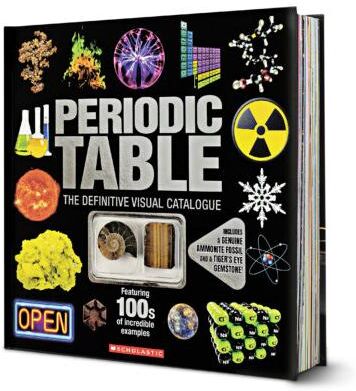
Scholastic Periodic Table w/Fossil & Ammonite GemLooking at the periodic table can be a bit daunting...how can you possibly remember what 118 different elements do? Featuring eye-popping photography and an enormous wealth of cool facts, this is the only book you'll need to help you learn about the...24,99 $*Shipping: 0,00 $Secure redirect to the provider
-
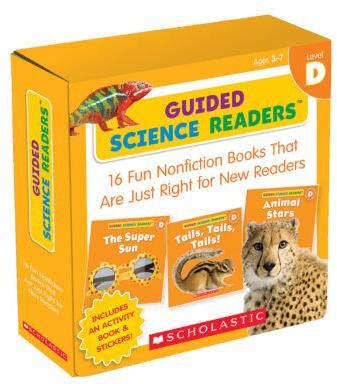
Scholastic Teaching Resources Guided Science Readers Pack DSet your child on the path to reading success with this exciting collection of little books on favorite science topics: sea turtles, ladybugs, chicks, ice cream, sea turtles, and many more. These level D books feature engaging photos paired with...23,99 $*Shipping: 0,00 $Secure redirect to the provider
-
Scholastic Teaching Resources The Educator's Guide to Understanding Child DevelopmentThe Yale Child Study Center Guide to Understanding Your Child was a landmark essential resource for parents, offering accessible information on child development based on a deep understanding of brain research and psychology. Now that knowledge has...35,99 $*Shipping: 0,00 $Secure redirect to the provider
-
Scholastic Horrible Science Collection 20 Books Set by Nick ArnoldHorrible Science Collection - 20 Books Set (Horrible science books) Horrible Science Collection 20 Books by Nick Arnold. Features all the best-selling Horrible Science titles from A-Z - well from Blood, Bones and Body Bits to Vicious Veg. Titles in the Set include: Sounds Dreadful Space, Stars and Slimy Aliens Terrible Truth About Time Vicious Veg Painful Poison Microscoplc Monsters Killer Energy Frightening Light Fight for Flight Angry Animals Evolve or Die Disgusting Digestion Deadly Diseases Chemical Chaos Bulging Brains, Blood, Bones and Body Bits, Fatal Forces, Shocking Electricity, Nasty Nature, Ugly Bugs36,99 £*Shipping: 0,00 £Secure redirect to the provider
-
What is the periodic table?
The periodic table is a tabular arrangement of all known chemical elements, organized by their atomic number, electron configuration, and recurring chemical properties. It is a fundamental tool in chemistry that allows scientists to predict the behavior of elements and their compounds. The table is divided into rows called periods and columns called groups, with elements in the same group sharing similar characteristics. The periodic table is constantly updated as new elements are discovered and our understanding of chemistry evolves. **
-
Which periodic table is better?
There is no definitive answer to which periodic table is better as both the Mendeleev periodic table and the modern periodic table have their own strengths and weaknesses. The Mendeleev periodic table is credited with predicting the properties of undiscovered elements and organizing elements based on their atomic mass. On the other hand, the modern periodic table arranges elements based on their atomic number, which reflects the number of protons in the nucleus. Ultimately, the choice of which periodic table is better depends on the context in which it is being used and personal preference. **
-
Why is the periodic table of elements not called the periodic table of atoms?
The periodic table of elements is not called the periodic table of atoms because it is organized based on the properties of elements, not individual atoms. The table arranges elements in order of increasing atomic number and groups them based on similar chemical and physical properties. It provides a systematic way to understand the behavior and characteristics of different elements, which is not specific to individual atoms. Additionally, the periodic table represents the elements in their neutral state, rather than as individual atoms with specific numbers of protons, neutrons, and electrons. **
-
Where is the periodic table stored?
The periodic table is stored in various places, including textbooks, websites, and scientific journals. It is also commonly found in classrooms, laboratories, and research facilities. Additionally, the periodic table can be accessed through mobile apps and online databases for easy reference and study. **
Similar search terms for Scholastic-Periodic-Table-w
-
Scholastic Teaching Resources Guided Science Readers Pack (Levels A-D)Set your child on the path to reading success with these exciting collections of little books on favorite science topics. This set includes:Guided Science Readers Pack AGuided Science Readers Pack BGuided Science Readers Pack CGuided Science Readers...61,16 $*Shipping: 0,00 $Secure redirect to the provider
-
Scholastic Reference Scholastic Children's Dictionary (2019) (Hardcover) - ScholasticScholastic's trusted Children's Dictionary is back and bursting with up-to-date information on contemporary technological, scientific, and cultural terms, hundreds of new words, and in-depth sidebars featuring bold, colorful images. Featuring more...21,99 $*Shipping: 0,00 $Secure redirect to the provider
-
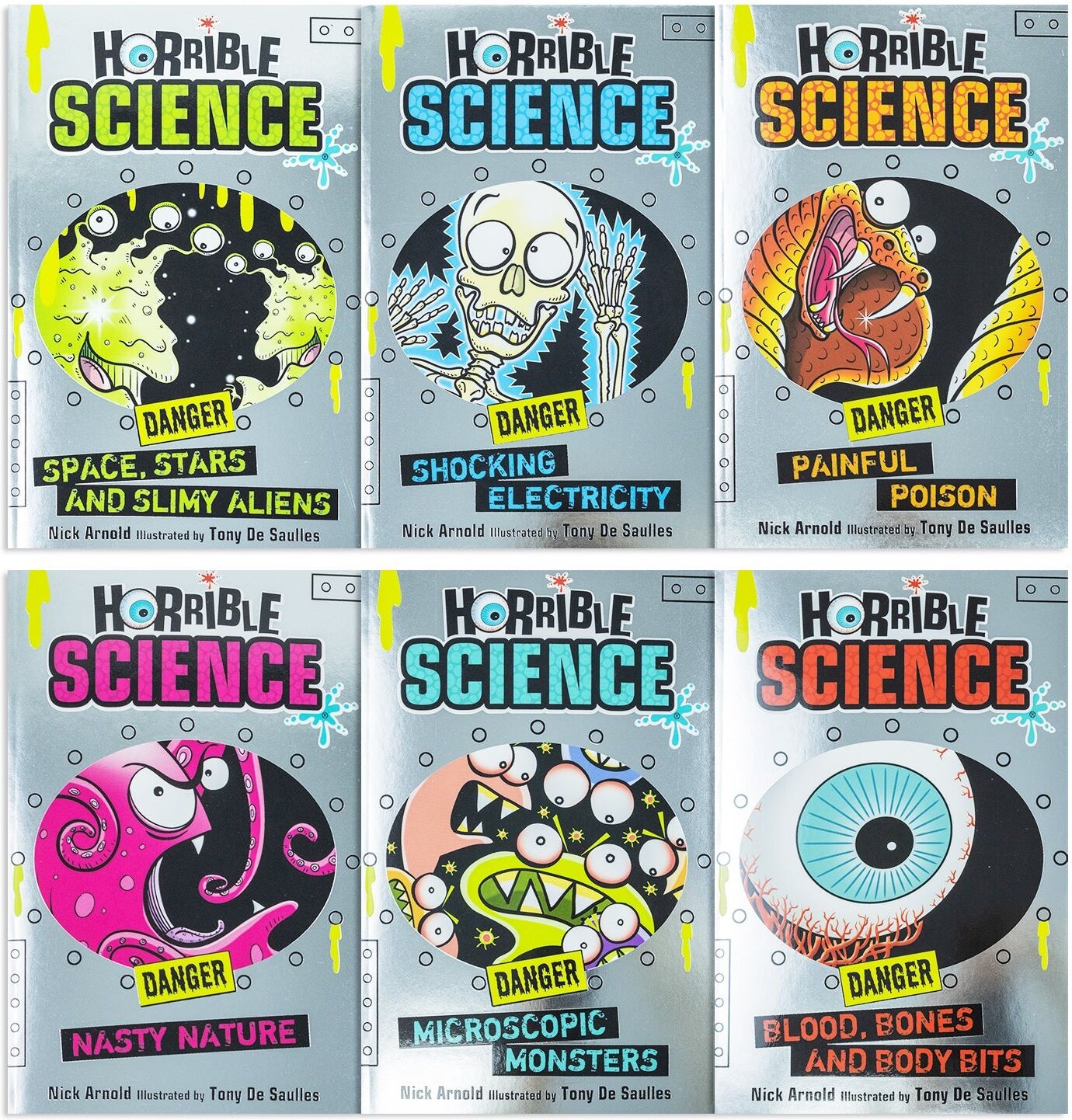
Scholastic Horrible Science 6 Books Collection Set by Nick Arnold – Educational Science Collection for KidsHorrible Science Collection 6 Books Set by Nick Arnold (Blood Bones and Body Bits, Microscopic Monsters, Nasty Nature, Painful Poison, Shocking Electricity, Space Stars and Slimy Aliens) Blood, Bones and Body Bits: Peek inside to discover all the squishy secrets of your body – including the nasty bits nobody wants to tell you! Find out what happens when a boil bursts (ugh) See what lives in your eyelashes (ewwwww) Gulp at the workings of your disgusting digestion (enough now...) And discover why corpses need haircuts even after they’re dead (blergh) Microscopic Monsters: Look down your microscope and dare to discover the terribly teeny world of Microscopic Monsters. Discover what makes our guts a brilliant home for bacteria, how germs make dead bodies explode and which creature lays its eggs between our toes. Nasty Nature: All the animals in HORRIBLE SCIENCE: NASTY NATURE are the deadliest, most disgusting and nastiest things that nature has to offer! So only read on if you're ready to find out: how vampire bats slurp blood, what a singing gorilla sounds like, how to dodge a man-eating tiger and which Japanese fish dish can kill you. Painful Poison: Get ready for a deadly dose of excitement with the petrifying Painful Poison. It's bubbling with killer substances that are strictly not for the nervous - and will have all kinds of evil effects on you. Discover how you can turn your brother into a zombie slave and why you are breathing poison right now! Shocking Electricity: Horrible Science: Shocking Electricity is packed with sizzling zap-filled facts to electrify every reader. Children can find out about the scientist who gave electric shocks to his eyeballs, that lightning can strike you with heat five times hotter than the sun and much more besides! Space, Stars and Slimy Aliens: Zoom to the stars with Oddblob the alien, and take part in a spacewalk that's out of this world and learn what the moon smells like. Find out all the horrible facts about space like which astronomers killed people and why space makes your guts explode!8,50 £*Shipping: 2,99 £Secure redirect to the provider
-
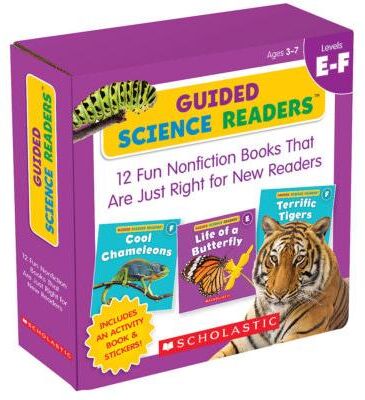
Scholastic Teaching Resources Guided Science Readers Parent Pack: Levels E-FABOUT THIS PARENT PACKSet your child on the path to reading success with this exciting collection of 16-page books on favorite science topics: horses, birds, sloths, tigers, chameleons, hibernation, animal helpers, and more. These level E and F...23,99 $*Shipping: 0,00 $Secure redirect to the provider
-
What makes the periodic table divine?
The periodic table is often considered divine because of its ability to organize all known elements in a systematic and logical manner. It provides a framework for understanding the properties and relationships between elements, allowing scientists to predict the behavior of unknown elements. The periodic table's structure, with elements arranged in increasing atomic number and grouped by similar properties, reflects the underlying order and symmetry of the natural world. Its comprehensive nature and predictive power have led to numerous scientific discoveries and advancements, making it a fundamental tool in the field of chemistry. **
-
Where is the periodic table kept?
The periodic table is a tabular arrangement of the chemical elements and is typically found in chemistry classrooms, laboratories, and textbooks. It is also widely available online and in various educational materials. The periodic table is a fundamental tool in the study of chemistry and is used by scientists, students, and researchers around the world. **
-
Search for an informative periodic table.
One informative periodic table that I recommend is the "Periodic Table of Elements" by Royal Society of Chemistry. This table provides detailed information about each element, including its atomic number, symbol, atomic weight, electron configuration, and element category. It also color-codes the elements based on their properties, making it easy to understand the trends and patterns in the periodic table. Additionally, it includes a key at the bottom to help users interpret the information presented. **
-
How does the periodic table work?
The periodic table is a tabular arrangement of chemical elements based on their atomic number, electron configuration, and recurring chemical properties. Elements are organized in rows and columns according to their properties, with elements in the same column having similar characteristics. The table is divided into groups (columns) and periods (rows) to help classify elements based on their properties and atomic structure. The periodic table allows scientists to predict the behavior of elements and their compounds, as well as discover relationships between different elements. **
* All prices are inclusive of VAT and, if applicable, plus shipping costs. The offer information is based on the details provided by the respective shop and is updated through automated processes. Real-time updates do not occur, so deviations can occur in individual cases. ** Note: Parts of this content were created by AI.