Buy bbio-project.eu ?
We are moving the project
bbio-project.eu .
Are you interested in purchasing the domain
bbio-project.eu ?
domain@kv-gmbh.de · 0541-91531010
Buy bbio-project.eu ?
What is the difference between energy conservation and momentum conservation?
Energy conservation refers to the principle that the total energy in a closed system remains constant over time, meaning energy cannot be created or destroyed, only transferred or converted. Momentum conservation, on the other hand, states that the total momentum of a closed system remains constant if no external forces are acting on it. While energy conservation focuses on the total energy of a system, momentum conservation focuses on the total momentum of a system. Both principles are fundamental in understanding and analyzing physical systems, but they address different aspects of motion and energy transfer. **
What is energy conservation?
Energy conservation refers to the practice of reducing the amount of energy used while still achieving the same level of productivity or comfort. This can be achieved through various methods such as using energy-efficient appliances, improving insulation in buildings, and reducing unnecessary energy consumption. Energy conservation is important in order to reduce greenhouse gas emissions, lower energy costs, and preserve natural resources for future generations. **

Similar search terms for Conservation
Top-Angebote
Products related to Conservation:
-
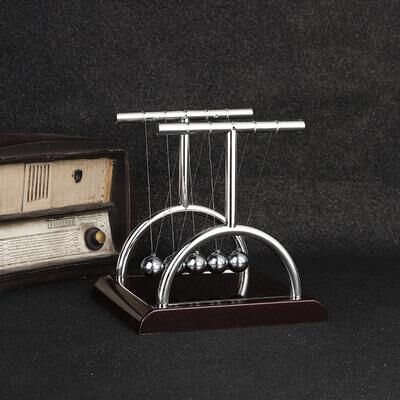
Inspire Daily Merch Newton Balance Pendulum Ball, Physical Science Toy, Energy Conservation Law Desktop Decoration For Office, Holiday Gift dDiscover the Fascinating World of Physics with the Newton Balance Pendulum Ball This Physical Science Toy is more than just a decorationit's a fun, interactive way to experience the Energy Conservation Law. Perfect for science enthusiasts, this...37,97 $*Shipping: 0,00 $Secure redirect to the provider
-
CGP Books GCSE Combined Science: Biology AQA Revision Question Cards: superb for the 2024 and 2025 exams (CGP AQA GCSE Combined Science)It’s all very well reading through your study notes, but how much can you actually remember? Put your GCSE Biology knowledge to the test with CGP’s brilliant Revision Question Cards! There are 63 cards in the pack, covering all the key Biology topics from the Grade 9-1 AQA (Trilogy Specification) Combined Science course. Each one starts off with quick questions to warm you up, followed by harder questions to get your brain into top gear. Flip the card over and you’ll find full answers to each question, carefully written to help you understand everything you need to know. Along the way, we’ve packed in plenty of diagrams and expert revision tips, and there are even questions on Working Scientifically and Practical Skills. Amazing!6,95 £*Shipping: 2,99 £Secure redirect to the provider
-
CGP Books GCSE AQA Combined Science Revision Question Cards 3 Pack Set (Chemistry, Physics, Biology)To cut to the chase, there’s more to revision than just reading through study notes. If you really want to make sure you know GCSE Chemistry, Physics and Biology you’ll need to test yourself - and that’s where these CGP Revision Question Cards come in! There are 95 cards in the pack, covering every key Grade 9-1 AQA topic. Each one starts off with quick questions to warm you up, followed by harder questions to get your brain into top gear. Flip the card over and you’ll find full answers to each question, carefully written to help you understand everything you need to know. Along the way, we’ve packed in plenty of diagrams and expert revision tips, and there are even questions on Working Scientifically and Practical Skills. Amazing!21,99 £*Shipping: 2,99 £Secure redirect to the provider
-
Wayland ltd Comic Strip Science Series 4 Books Collection Set (Biology, Chemistry, Physics, Earth and Space)Comic Strip Science Series 4 Books Collection Set By Paul Mason (Biology, Physics, Earth and Space & Chemistry): Biology: Comic Strip Biology makes learning about the science behind animals, plants and the human body fun! Each spread in this series features a short, funny comic strip that explains a process or aspect of science. Around the strip, diagrams and panels give further information on the topic. They are a fantastic way to engage children aged 8 plus with science. Physics: Comic Strip Physics makes learning about the science behind forces, energy and simple machines fun! Each spread in this series features a short, funny comic strip that explains a process or aspect of science. Around the strip, diagrams and panels give further information on the topic. They are a fantastic way to engage children aged 8 plus with science. Earth and Space: Find out about the science behind the solar system, the big bang, gravity, black holes and much more with hilarous cartoon strips, facts and diagrams.Each spread in this series features a short, funny comic strip that explains a process or aspect of science. Around the strip, diagrams and panels give further information on the topic. They are a fantastic way to engage children aged 8 plus with science. Chemistry: Comic Strip Science: Chemistry makes learning about the science behind behind materials fun! It covers topics such as different states of matter, changing states, atoms and much more.Each spread in this series features a short, funny comic strip that explains a process or aspect of science. Around the strip, diagrams and panels give further information on the topic.12,89 £*Shipping: 2,99 £Secure redirect to the provider



-
What does charge conservation mean?
Charge conservation means that the total electric charge in a closed system remains constant over time. This principle is based on the fact that electric charge cannot be created or destroyed, only transferred from one object to another. In other words, the total amount of positive charge in a system must equal the total amount of negative charge. Charge conservation is a fundamental principle in physics and is essential for understanding the behavior of electric and magnetic fields. **
-
What is the conservation of energy?
The conservation of energy is a fundamental principle in physics that states that energy cannot be created or destroyed, only transferred or transformed from one form to another. This means that the total energy in a closed system remains constant over time. In other words, energy can change from potential to kinetic, thermal, or other forms, but the total amount of energy in the system remains the same. This principle is crucial in understanding and analyzing various physical phenomena and is a cornerstone of many scientific theories and laws. **
-
Are slugs protected under species conservation?
Slugs are not typically protected under species conservation laws. They are not considered endangered or threatened species, and are often seen as pests due to their tendency to feed on plants in gardens. However, some species of slugs may be protected in certain regions if they are considered to be of ecological importance or facing threats to their populations. It is important to check local conservation laws and regulations to determine the status of slugs in a specific area. **
-
What are tasks for energy conservation?
Tasks for energy conservation include reducing energy consumption by turning off lights and electronics when not in use, using energy-efficient appliances and light bulbs, improving insulation and sealing air leaks in buildings, and using renewable energy sources such as solar or wind power. Additionally, practicing energy-saving habits such as adjusting thermostats, using natural light, and minimizing water usage can also contribute to energy conservation efforts. Overall, the goal is to reduce energy waste and promote sustainable energy practices to minimize environmental impact and save on energy costs. **

Are jellyfish protected by conservation laws?
Jellyfish are not typically protected by conservation laws in the same way that other species are. This is because jellyfish populations are not currently at risk of extinction and are considered to be abundant in many parts of the world. However, some specific species of jellyfish may be protected in certain regions due to their ecological importance or cultural significance. Overall, jellyfish conservation efforts tend to focus on understanding their role in marine ecosystems and mitigating the impacts of human activities on their populations. **
Are zoos necessary for species conservation?
Zoos can play a role in species conservation by participating in breeding programs for endangered species and educating the public about conservation efforts. However, some argue that the resources spent on maintaining zoos could be better used for protecting animals in their natural habitats. Ultimately, the necessity of zoos for species conservation depends on the specific goals and practices of each individual zoo, as well as the effectiveness of their conservation efforts. **
Top-Angebote
Products related to Conservation:
-
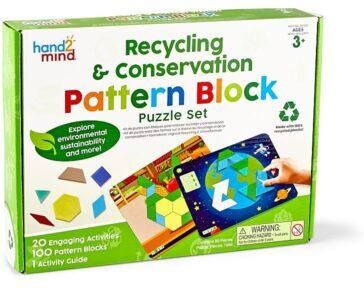
Scholastic Recycling & Conservation Pattern Block Puzzle SetFrom planting flowers to using less water, this set helps children learn the basics of sustainability and our environment. Children complete the 20 engaging activities, and the included Activity Guide provides tips on how to live a more sustainable...24,99 $*Shipping: 0,00 $Secure redirect to the provider
-
Inspire Daily Merch Newton Balance Pendulum Ball, Physical Science Toy, Energy Conservation Law Desktop Decoration For Office, Holiday Gift dDiscover the Fascinating World of Physics with the Newton Balance Pendulum Ball This Physical Science Toy is more than just a decorationit's a fun, interactive way to experience the Energy Conservation Law. Perfect for science enthusiasts, this...37,97 $*Shipping: 0,00 $Secure redirect to the provider
-
CGP Books GCSE Combined Science: Biology AQA Revision Question Cards: superb for the 2024 and 2025 exams (CGP AQA GCSE Combined Science)It’s all very well reading through your study notes, but how much can you actually remember? Put your GCSE Biology knowledge to the test with CGP’s brilliant Revision Question Cards! There are 63 cards in the pack, covering all the key Biology topics from the Grade 9-1 AQA (Trilogy Specification) Combined Science course. Each one starts off with quick questions to warm you up, followed by harder questions to get your brain into top gear. Flip the card over and you’ll find full answers to each question, carefully written to help you understand everything you need to know. Along the way, we’ve packed in plenty of diagrams and expert revision tips, and there are even questions on Working Scientifically and Practical Skills. Amazing!6,95 £*Shipping: 2,99 £Secure redirect to the provider
-
What is the difference between energy conservation and momentum conservation?
Energy conservation refers to the principle that the total energy in a closed system remains constant over time, meaning energy cannot be created or destroyed, only transferred or converted. Momentum conservation, on the other hand, states that the total momentum of a closed system remains constant if no external forces are acting on it. While energy conservation focuses on the total energy of a system, momentum conservation focuses on the total momentum of a system. Both principles are fundamental in understanding and analyzing physical systems, but they address different aspects of motion and energy transfer. **
-
What is energy conservation?
Energy conservation refers to the practice of reducing the amount of energy used while still achieving the same level of productivity or comfort. This can be achieved through various methods such as using energy-efficient appliances, improving insulation in buildings, and reducing unnecessary energy consumption. Energy conservation is important in order to reduce greenhouse gas emissions, lower energy costs, and preserve natural resources for future generations. **
-
What does charge conservation mean?
Charge conservation means that the total electric charge in a closed system remains constant over time. This principle is based on the fact that electric charge cannot be created or destroyed, only transferred from one object to another. In other words, the total amount of positive charge in a system must equal the total amount of negative charge. Charge conservation is a fundamental principle in physics and is essential for understanding the behavior of electric and magnetic fields. **
-
What is the conservation of energy?
The conservation of energy is a fundamental principle in physics that states that energy cannot be created or destroyed, only transferred or transformed from one form to another. This means that the total energy in a closed system remains constant over time. In other words, energy can change from potential to kinetic, thermal, or other forms, but the total amount of energy in the system remains the same. This principle is crucial in understanding and analyzing various physical phenomena and is a cornerstone of many scientific theories and laws. **
Similar search terms for Conservation
-
CGP Books GCSE AQA Combined Science Revision Question Cards 3 Pack Set (Chemistry, Physics, Biology)To cut to the chase, there’s more to revision than just reading through study notes. If you really want to make sure you know GCSE Chemistry, Physics and Biology you’ll need to test yourself - and that’s where these CGP Revision Question Cards come in! There are 95 cards in the pack, covering every key Grade 9-1 AQA topic. Each one starts off with quick questions to warm you up, followed by harder questions to get your brain into top gear. Flip the card over and you’ll find full answers to each question, carefully written to help you understand everything you need to know. Along the way, we’ve packed in plenty of diagrams and expert revision tips, and there are even questions on Working Scientifically and Practical Skills. Amazing!21,99 £*Shipping: 2,99 £Secure redirect to the provider
-
Wayland ltd Comic Strip Science Series 4 Books Collection Set (Biology, Chemistry, Physics, Earth and Space)Comic Strip Science Series 4 Books Collection Set By Paul Mason (Biology, Physics, Earth and Space & Chemistry): Biology: Comic Strip Biology makes learning about the science behind animals, plants and the human body fun! Each spread in this series features a short, funny comic strip that explains a process or aspect of science. Around the strip, diagrams and panels give further information on the topic. They are a fantastic way to engage children aged 8 plus with science. Physics: Comic Strip Physics makes learning about the science behind forces, energy and simple machines fun! Each spread in this series features a short, funny comic strip that explains a process or aspect of science. Around the strip, diagrams and panels give further information on the topic. They are a fantastic way to engage children aged 8 plus with science. Earth and Space: Find out about the science behind the solar system, the big bang, gravity, black holes and much more with hilarous cartoon strips, facts and diagrams.Each spread in this series features a short, funny comic strip that explains a process or aspect of science. Around the strip, diagrams and panels give further information on the topic. They are a fantastic way to engage children aged 8 plus with science. Chemistry: Comic Strip Science: Chemistry makes learning about the science behind behind materials fun! It covers topics such as different states of matter, changing states, atoms and much more.Each spread in this series features a short, funny comic strip that explains a process or aspect of science. Around the strip, diagrams and panels give further information on the topic.12,89 £*Shipping: 2,99 £Secure redirect to the provider
-
Research-powered Eye Duo - Skincare Kit Charlotte Tilbury 3322 Charlotte's Research-powered Eye Duo Size:Darlings, unlock the secret to eyes that appear brighter, depuffed, smoother and younger with my Research-Powered Eye Duo! This CharlotteTilbury.com EXCLUSIVE skincare duo includes:94,05 £*Shipping: 0,00 £Secure redirect to the provider
-
Inspire Daily Merch Newton Balance Pendulum Ball, Physical Science Toy, Energy Conservation Law Desktop Decoration For Office, Holiday Gift cDiscover the Fascinating World of Physics with the Newton Balance Pendulum Ball This Physical Science Toy is more than just a decorationit's a fun, interactive way to experience the Energy Conservation Law. Perfect for science enthusiasts, this...37,97 $*Shipping: 0,00 $Secure redirect to the provider
-
Are slugs protected under species conservation?
Slugs are not typically protected under species conservation laws. They are not considered endangered or threatened species, and are often seen as pests due to their tendency to feed on plants in gardens. However, some species of slugs may be protected in certain regions if they are considered to be of ecological importance or facing threats to their populations. It is important to check local conservation laws and regulations to determine the status of slugs in a specific area. **
-
What are tasks for energy conservation?
Tasks for energy conservation include reducing energy consumption by turning off lights and electronics when not in use, using energy-efficient appliances and light bulbs, improving insulation and sealing air leaks in buildings, and using renewable energy sources such as solar or wind power. Additionally, practicing energy-saving habits such as adjusting thermostats, using natural light, and minimizing water usage can also contribute to energy conservation efforts. Overall, the goal is to reduce energy waste and promote sustainable energy practices to minimize environmental impact and save on energy costs. **
-
Are jellyfish protected by conservation laws?
Jellyfish are not typically protected by conservation laws in the same way that other species are. This is because jellyfish populations are not currently at risk of extinction and are considered to be abundant in many parts of the world. However, some specific species of jellyfish may be protected in certain regions due to their ecological importance or cultural significance. Overall, jellyfish conservation efforts tend to focus on understanding their role in marine ecosystems and mitigating the impacts of human activities on their populations. **
-
Are zoos necessary for species conservation?
Zoos can play a role in species conservation by participating in breeding programs for endangered species and educating the public about conservation efforts. However, some argue that the resources spent on maintaining zoos could be better used for protecting animals in their natural habitats. Ultimately, the necessity of zoos for species conservation depends on the specific goals and practices of each individual zoo, as well as the effectiveness of their conservation efforts. **
* All prices are inclusive of VAT and, if applicable, plus shipping costs. The offer information is based on the details provided by the respective shop and is updated through automated processes. Real-time updates do not occur, so deviations can occur in individual cases. ** Note: Parts of this content were created by AI.